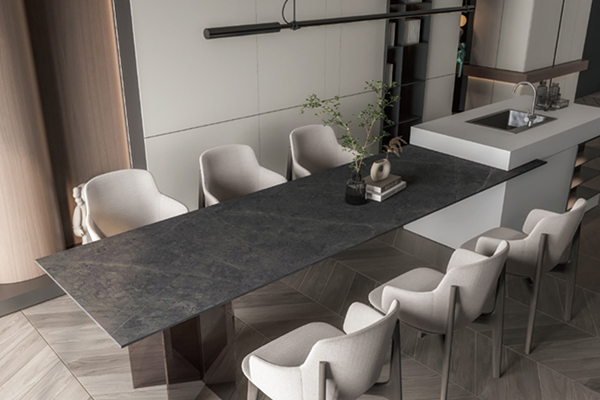
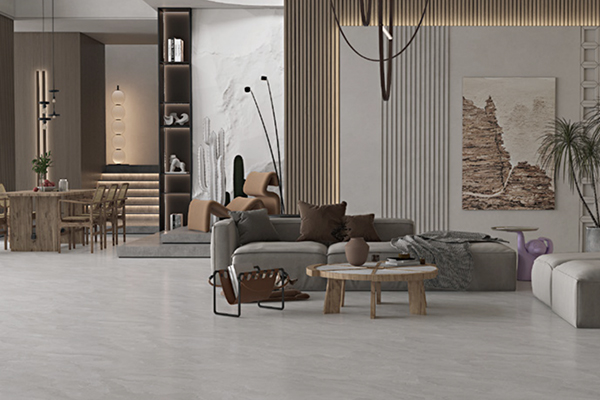
Reference for Stone Wall Cladding Joint Layout Design

Reference for Stone Wall Cladding Joint Layout Design

Stone wall cladding joint design plays a crucial role in architecture and interior decoration, impacting not only the aesthetics of a space but also the durability and functionality of the material. A well-planned joint layout can effectively prevent issues such as cracking due to temperature fluctuations, humidity, or structural movements, while enhancing the overall visual appeal through clever arrangements. This article provides a reference for stone wall cladding joint design, covering joint forms, dimensions, and treatment techniques, combined with insights from our professional design team to help achieve efficient and beautiful stone applications.

Functionality and Aesthetics of Joint Design
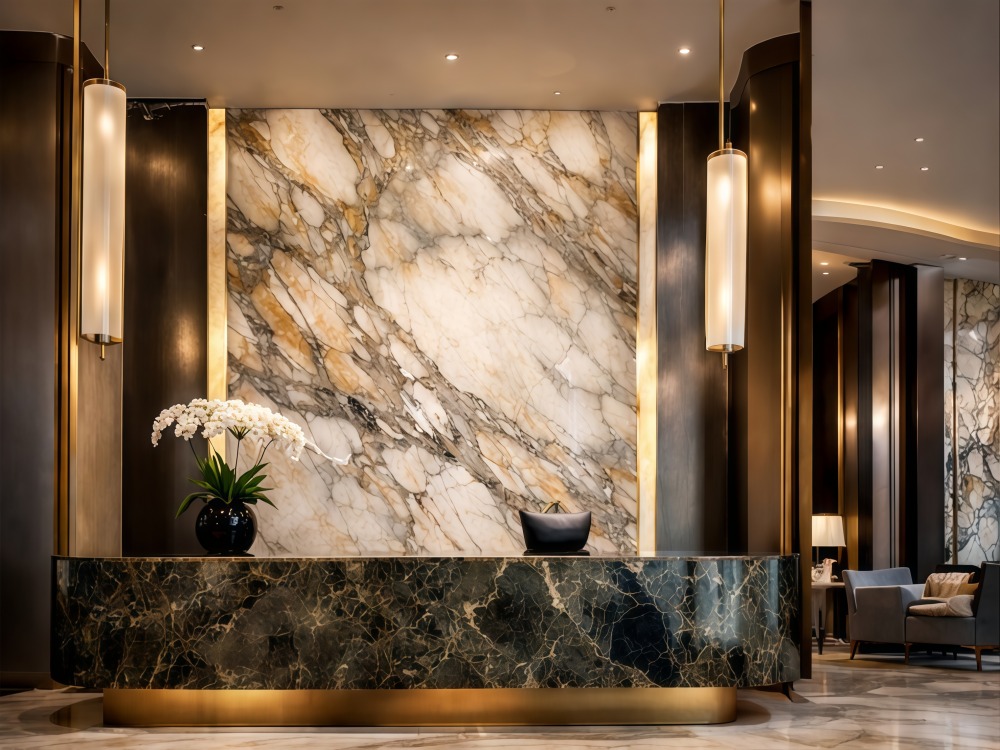
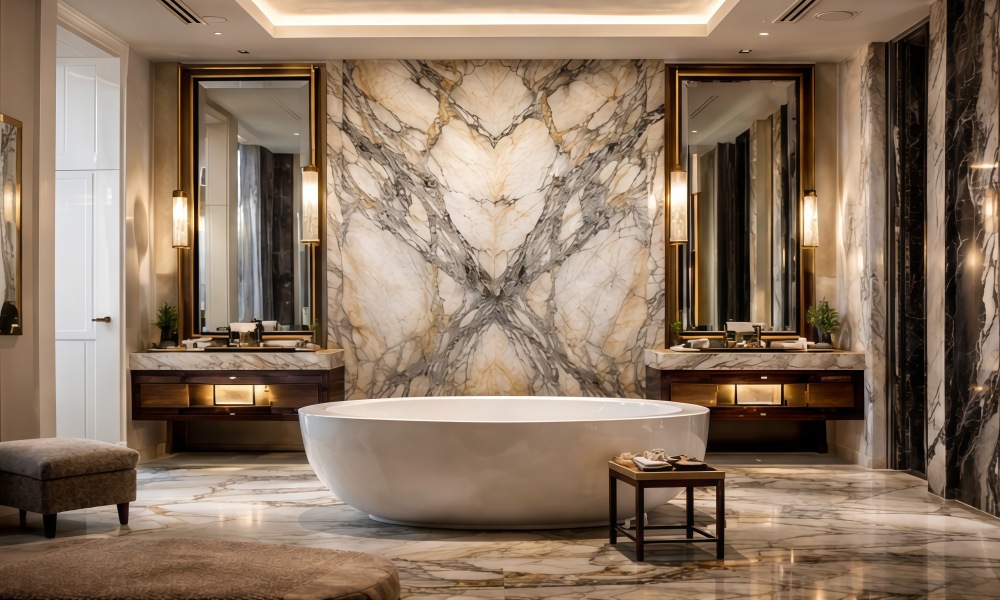
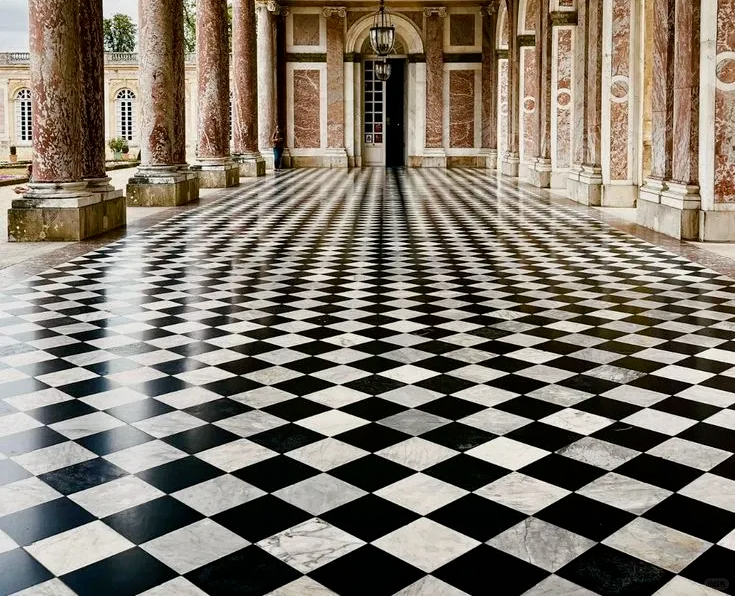
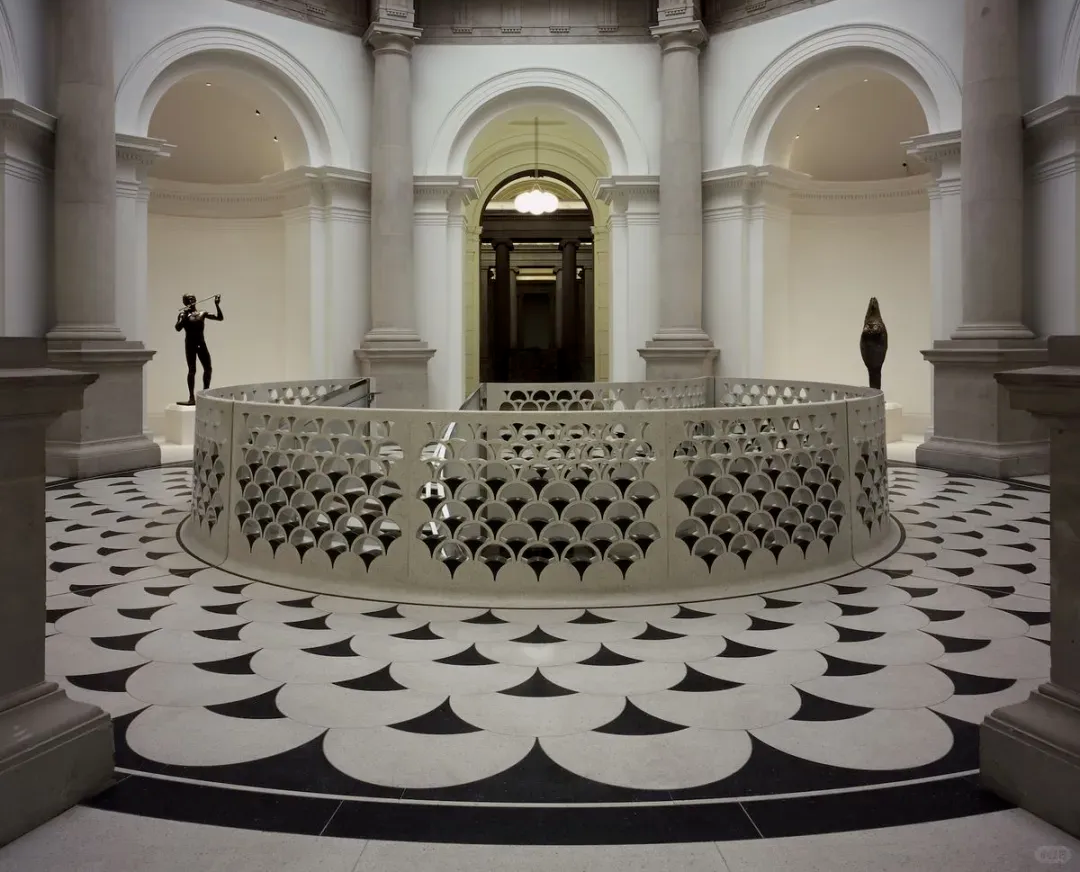
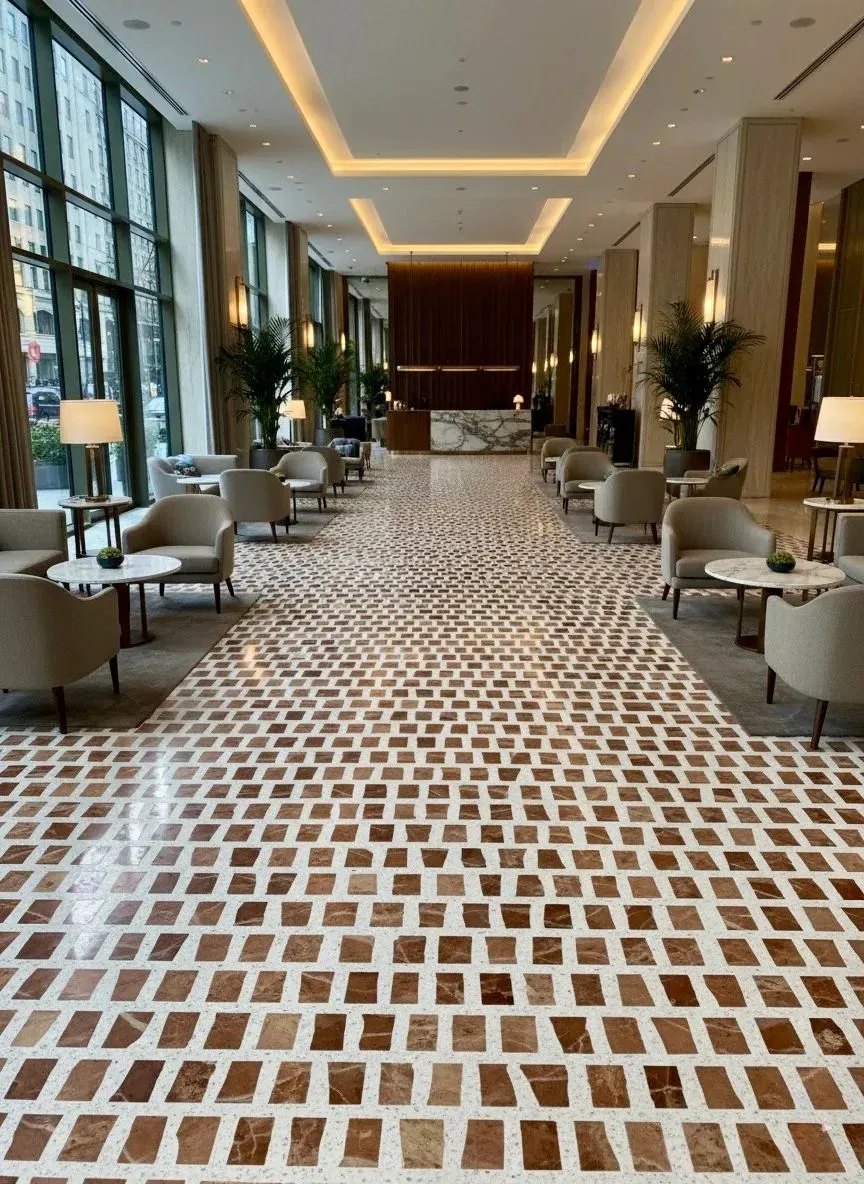
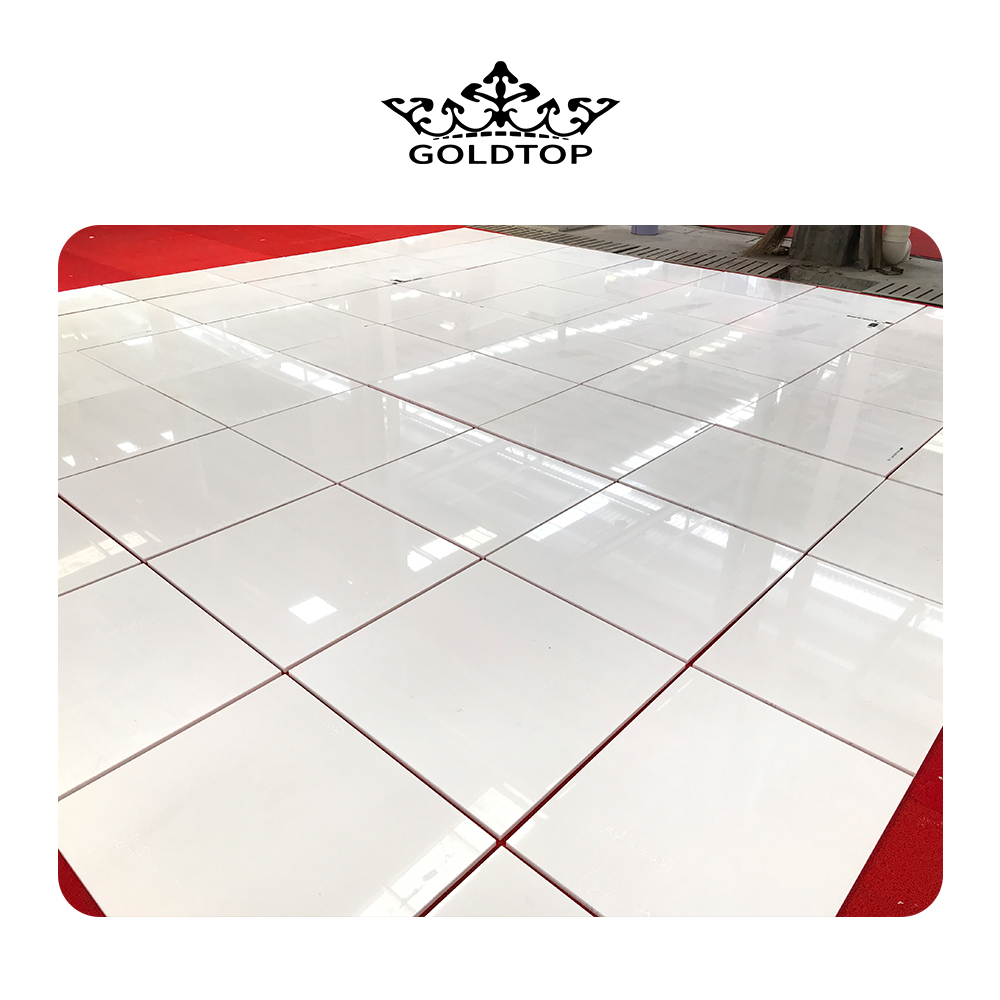
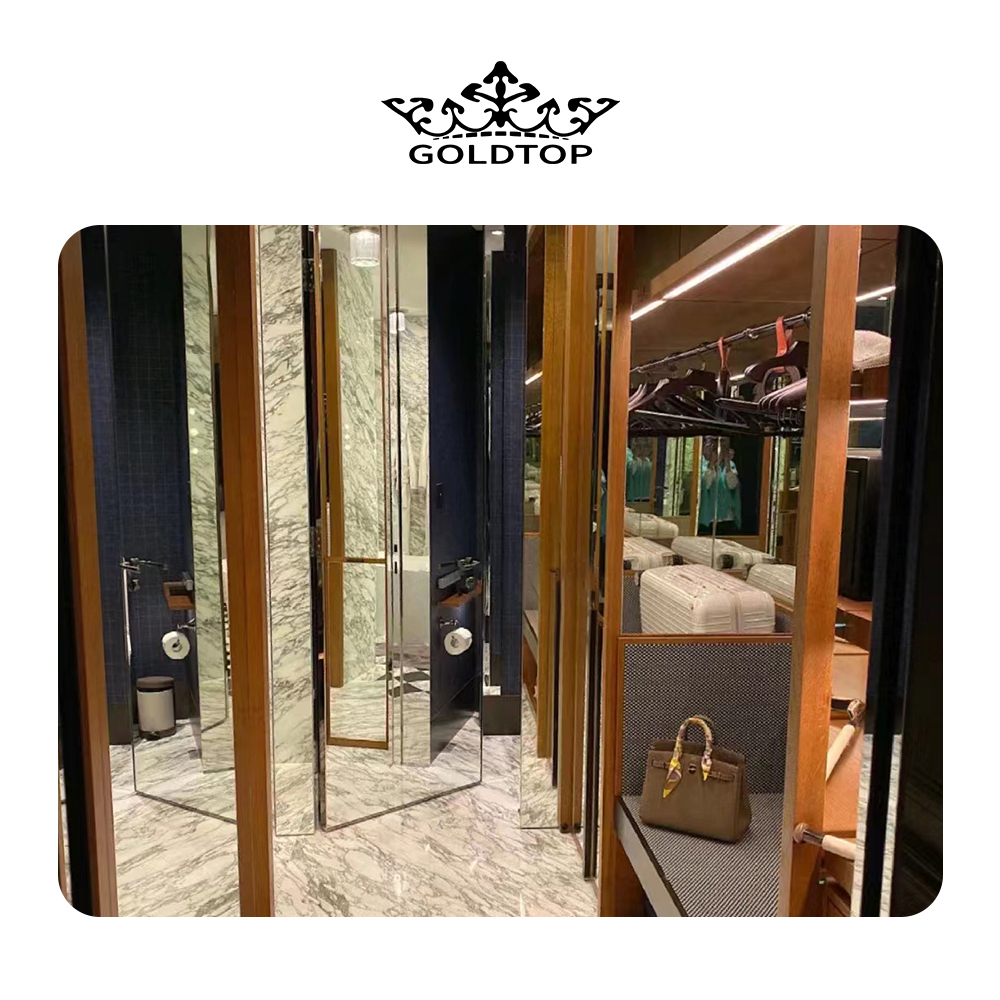
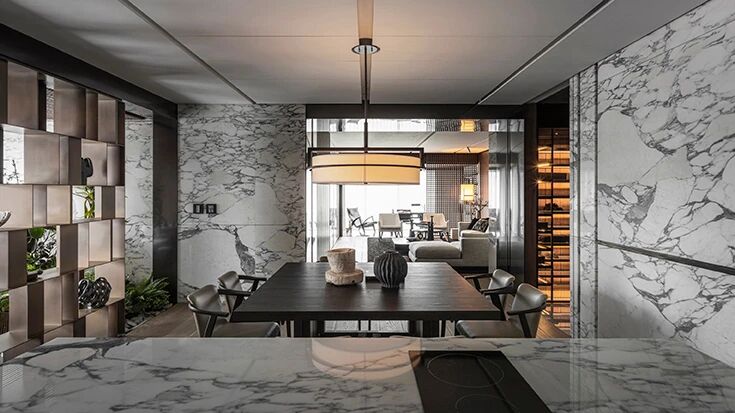
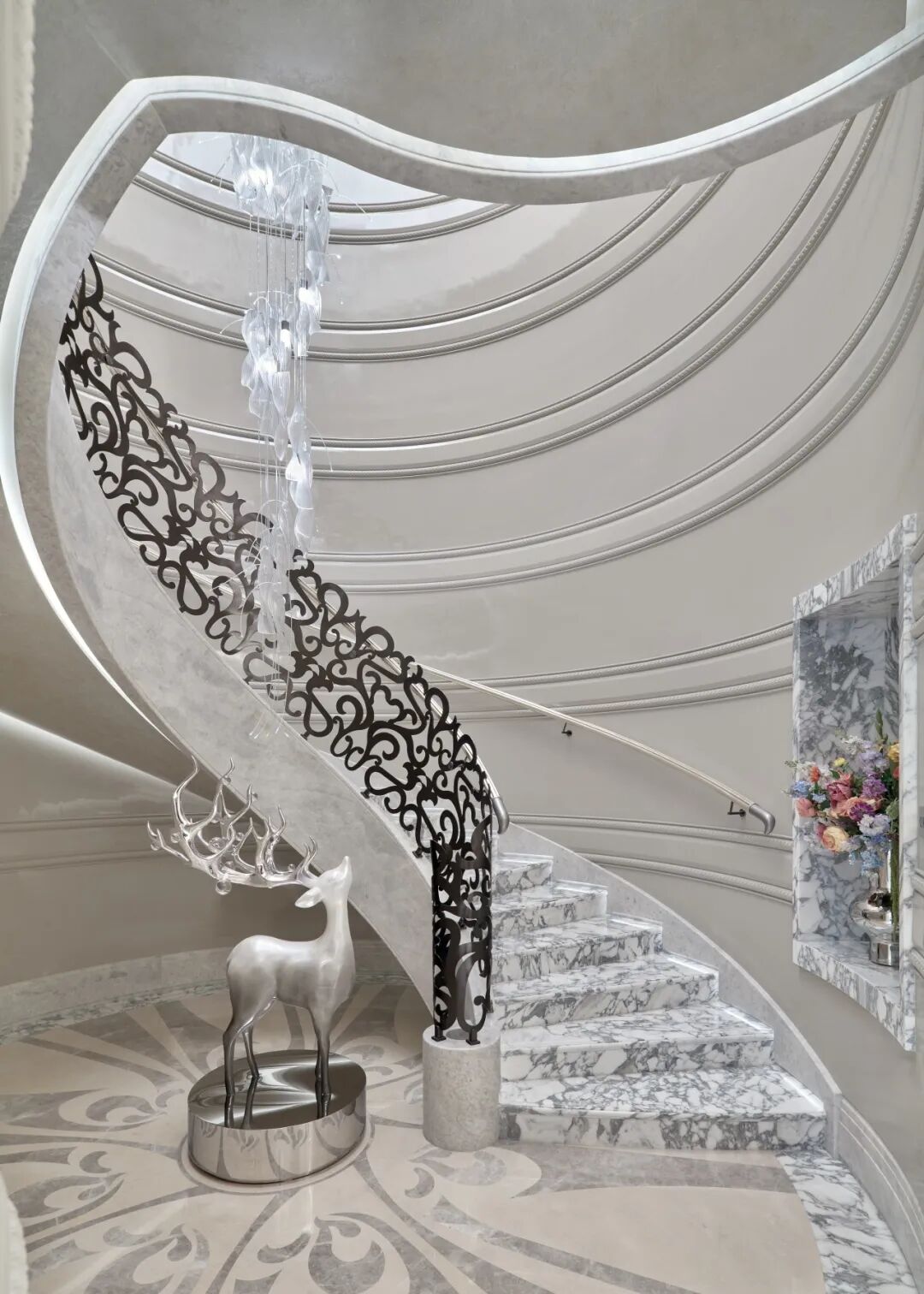
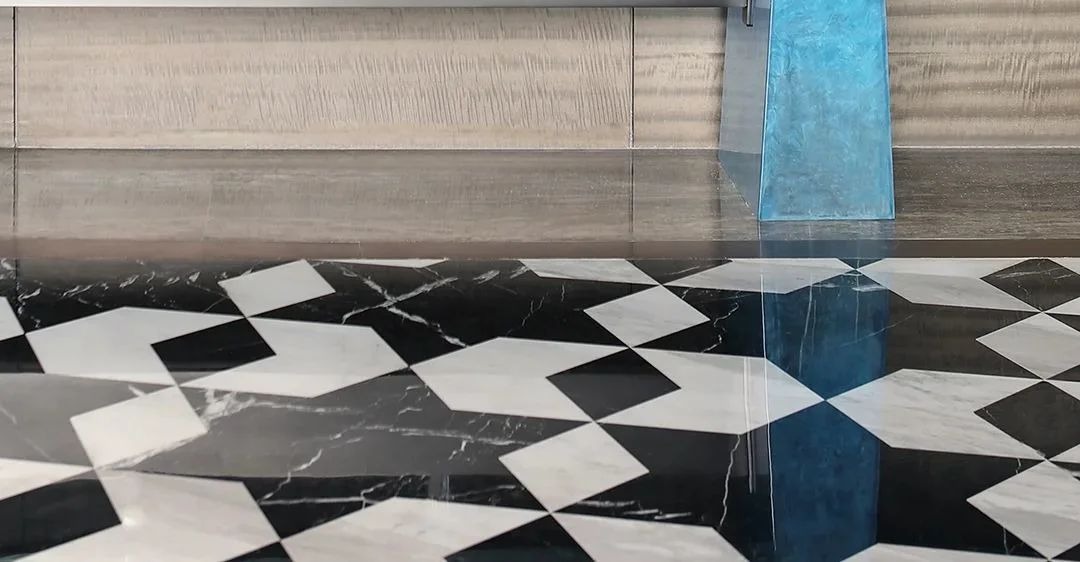
The functionality of joint design should be prioritized. Joints allow for natural expansion and contraction of stone under environmental changes, preventing deformation or damage. For instance, in hotel wall decoration, properly designed joints can conceal structural seams and reduce visual clutter. Meanwhile, the size and form of joints should be adjusted based on the stone type and installation environment. Large-format materials like marble wall cladding often use narrow joints to emphasize continuity, whereas smaller materials such as marble flooring may require wider joints for enhanced slip resistance and drainage.

hotel wall decoration hotel wall decoration marble wall cladding marble tiles

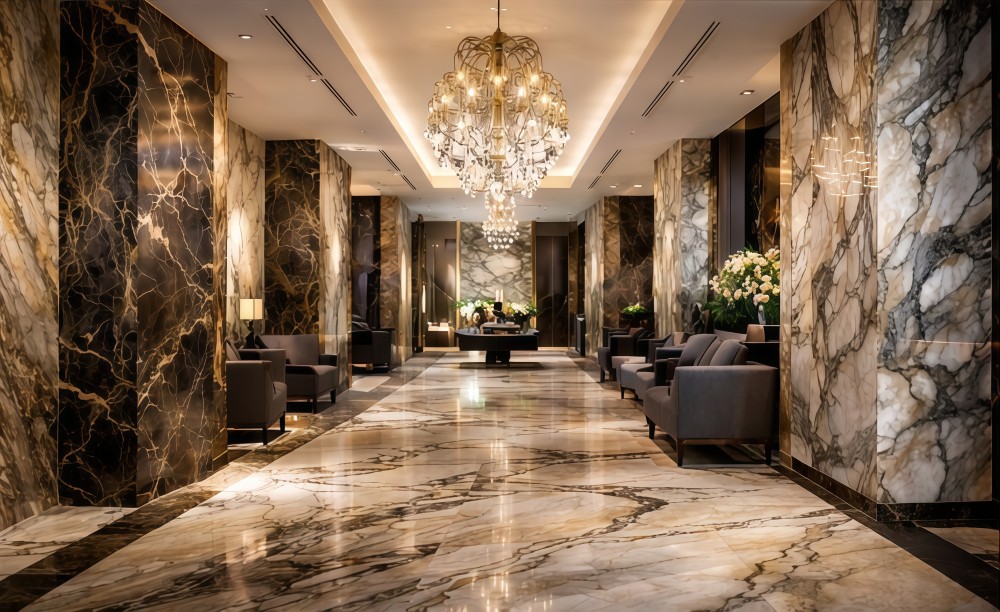
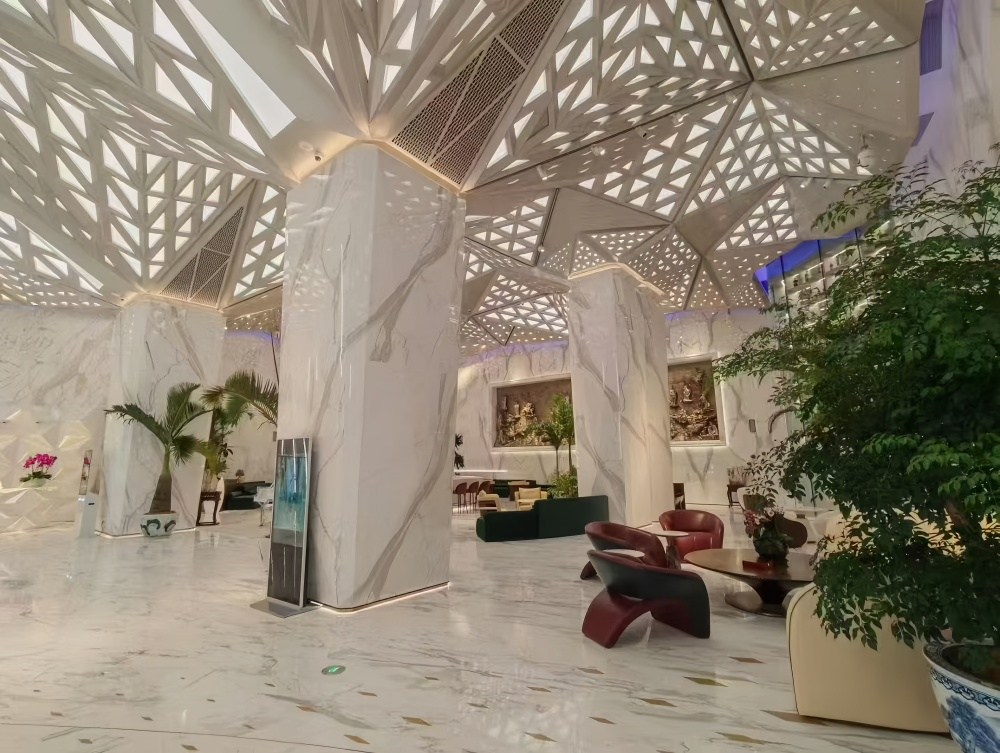
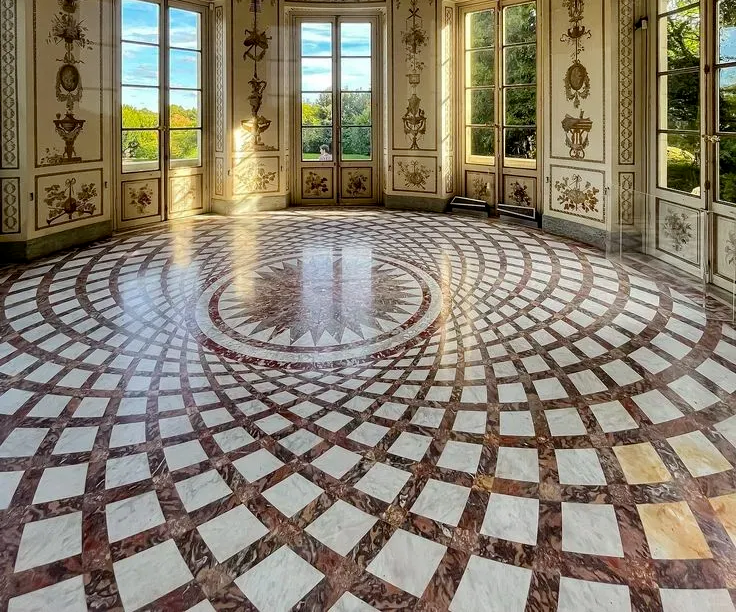
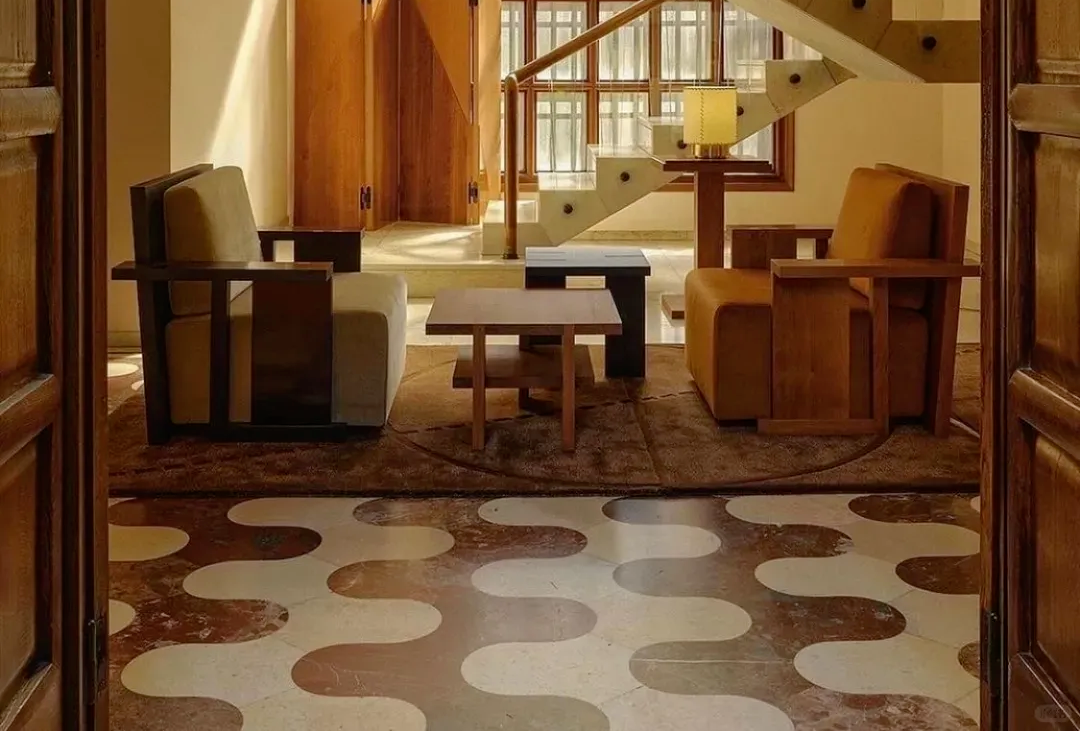
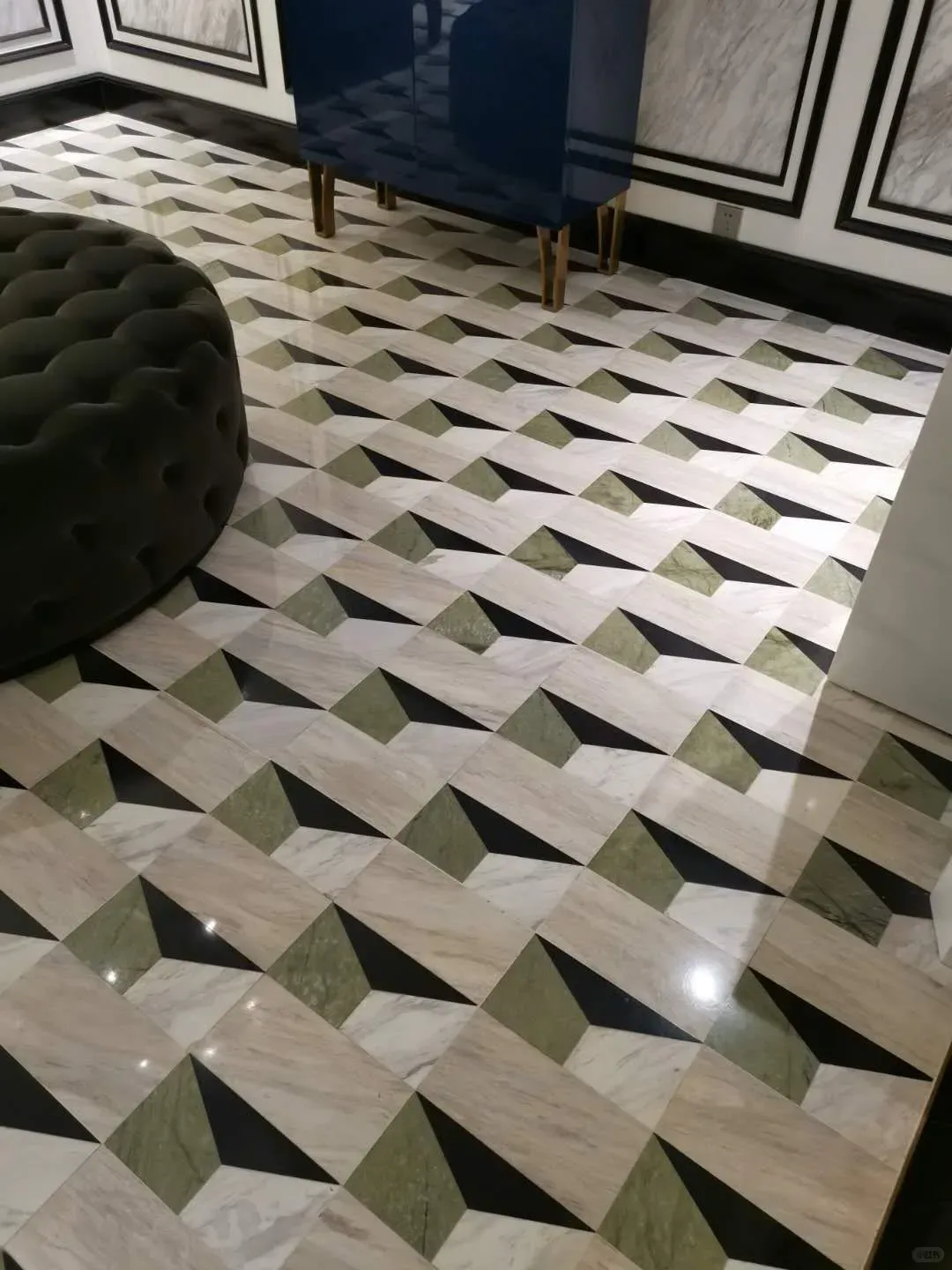
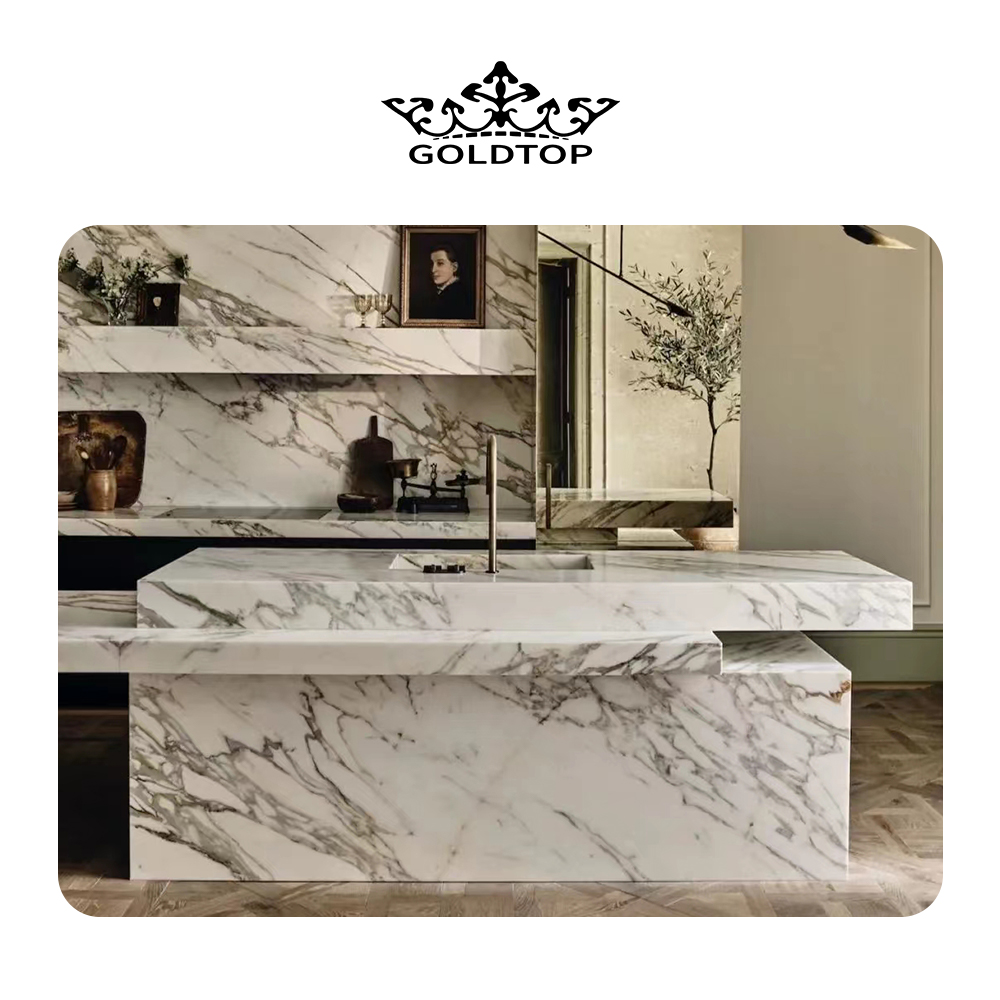
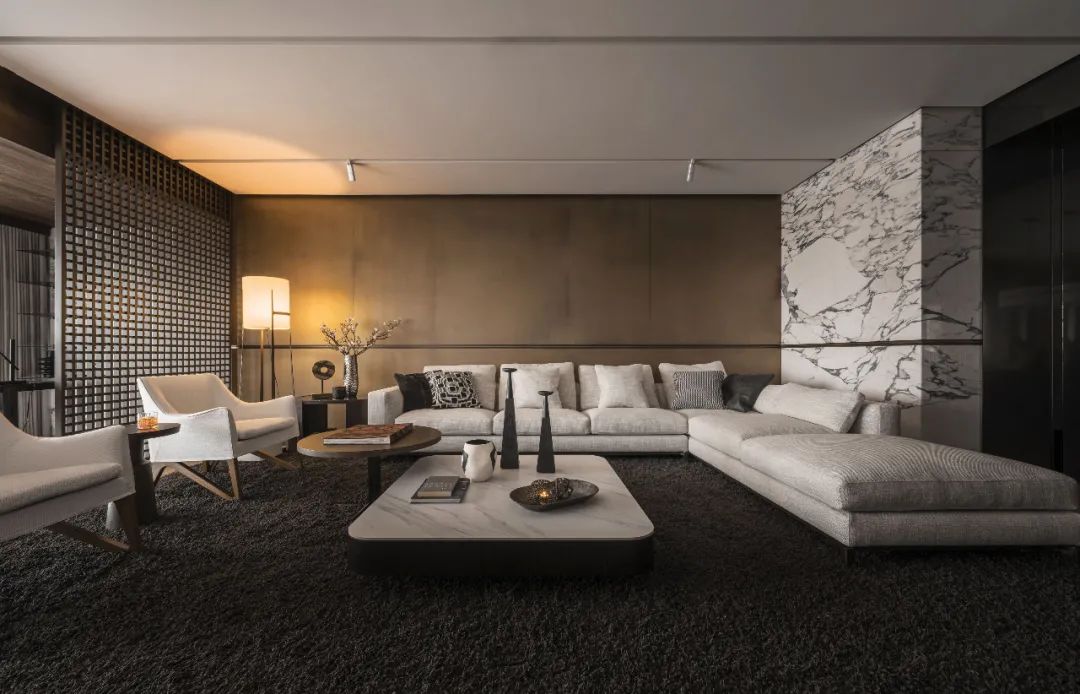
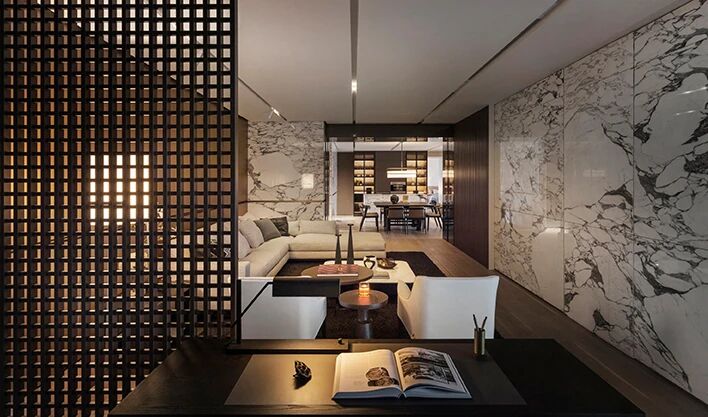
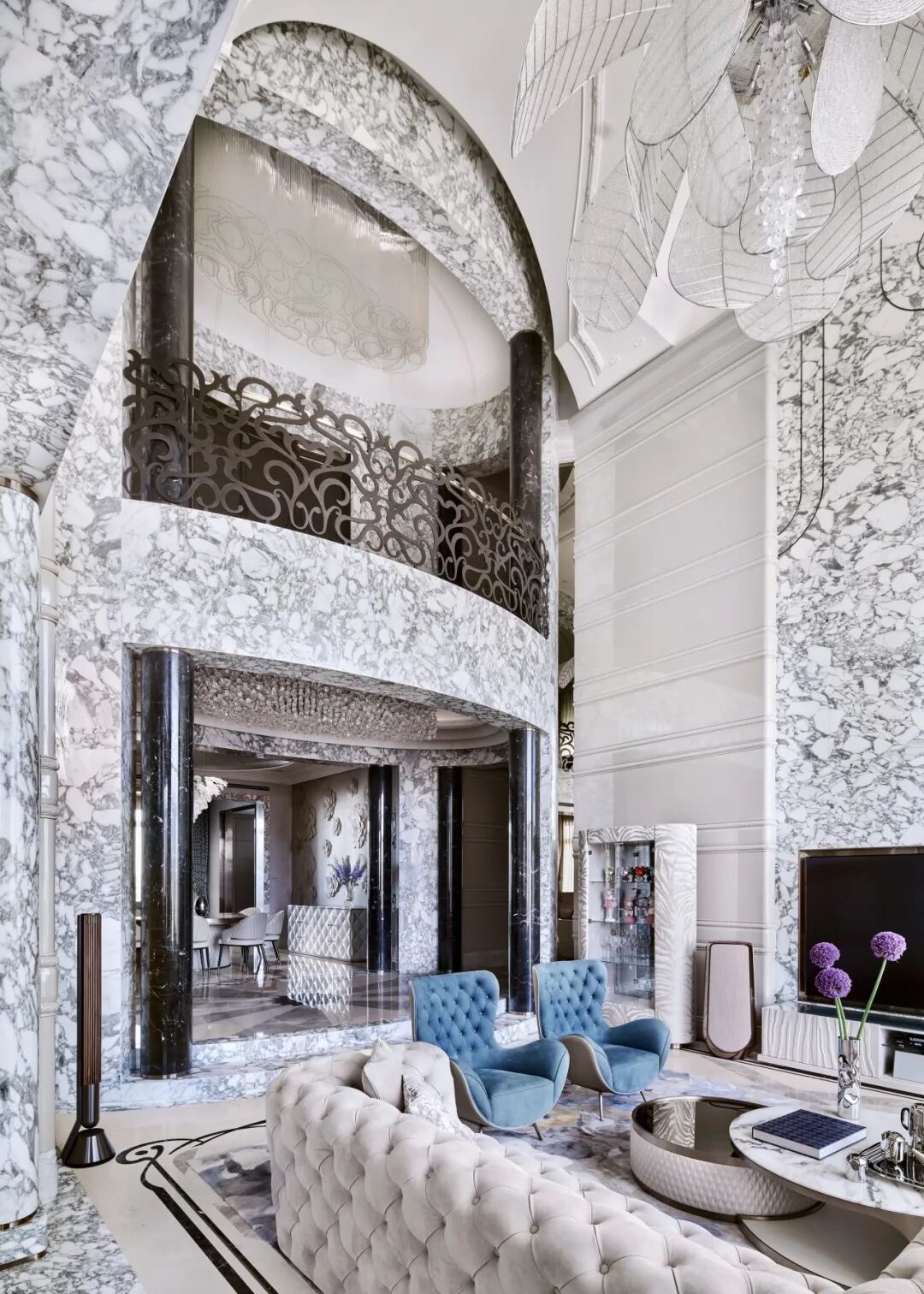
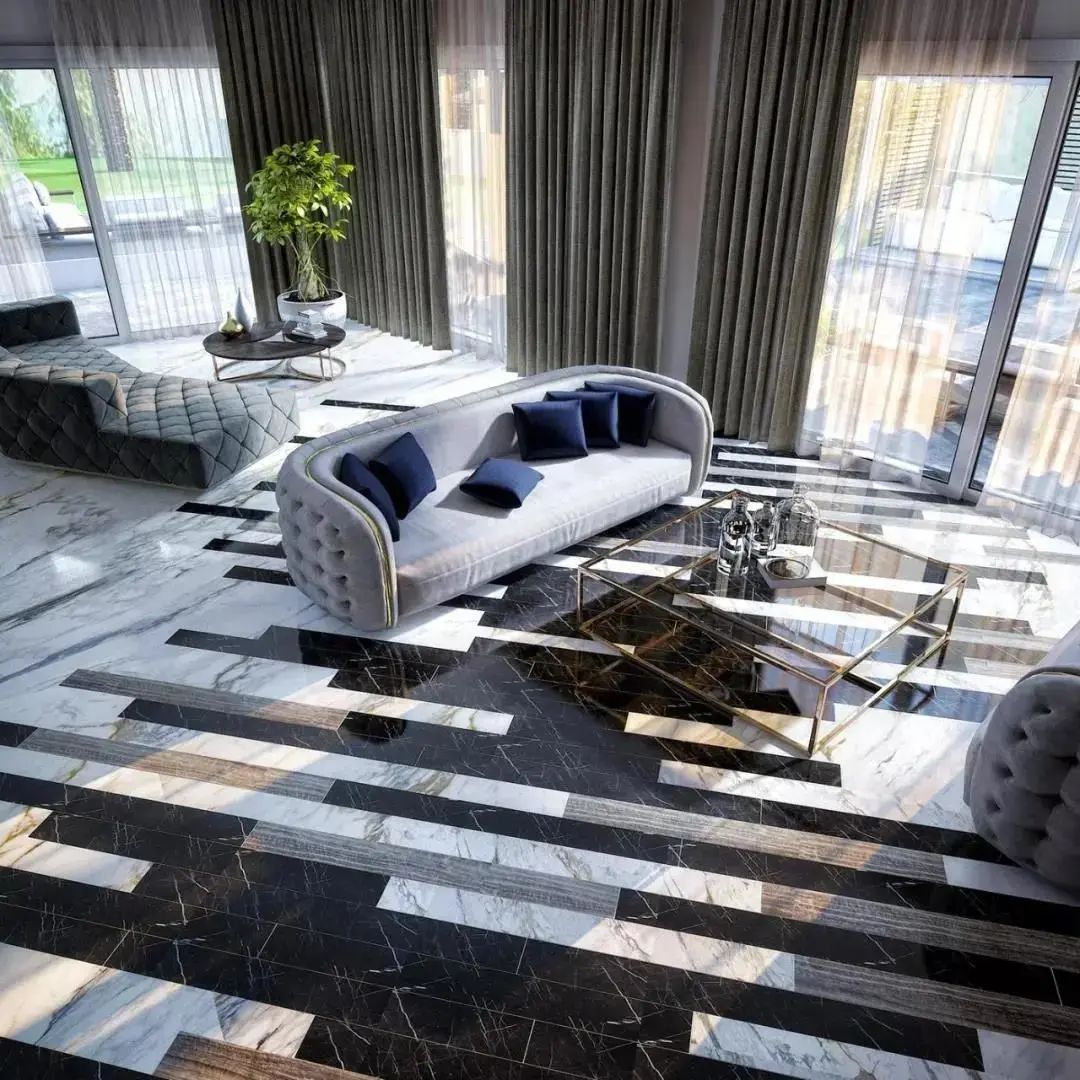
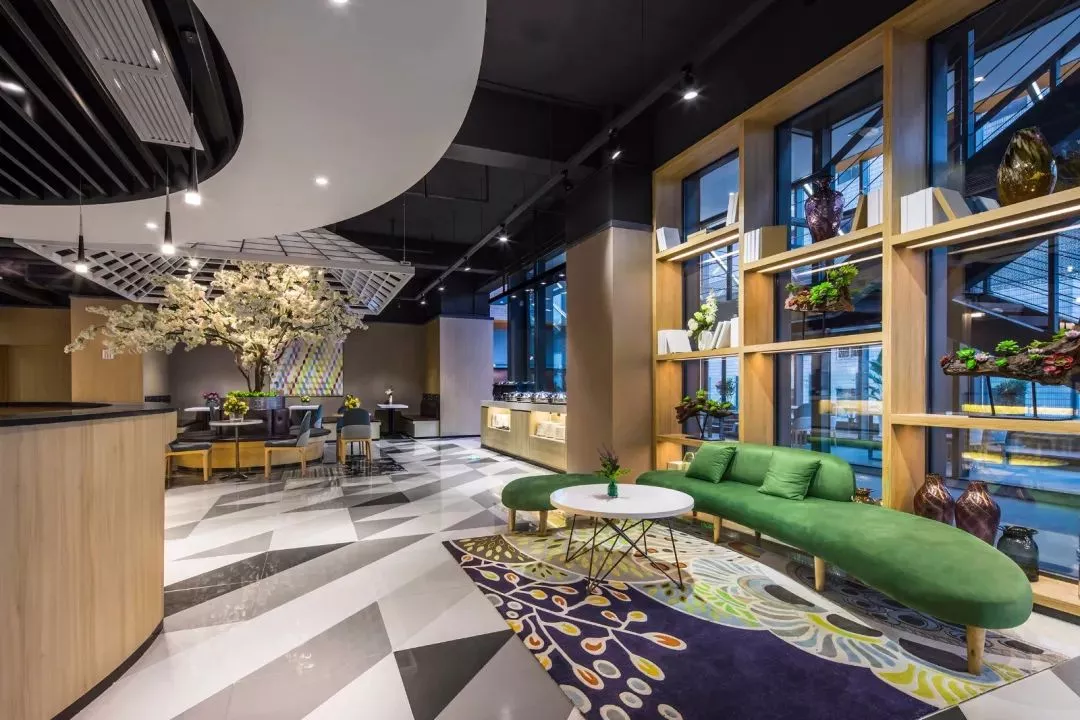
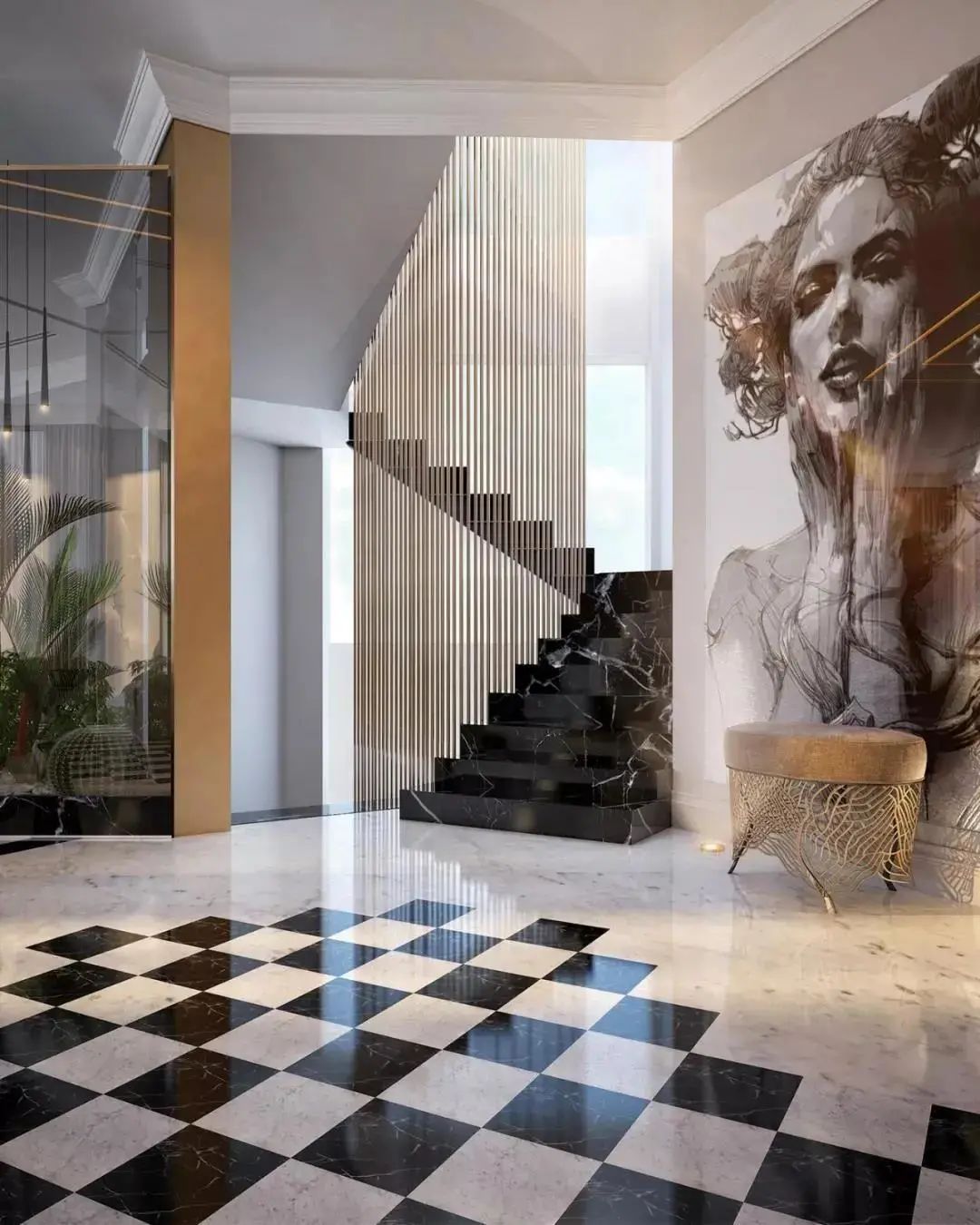
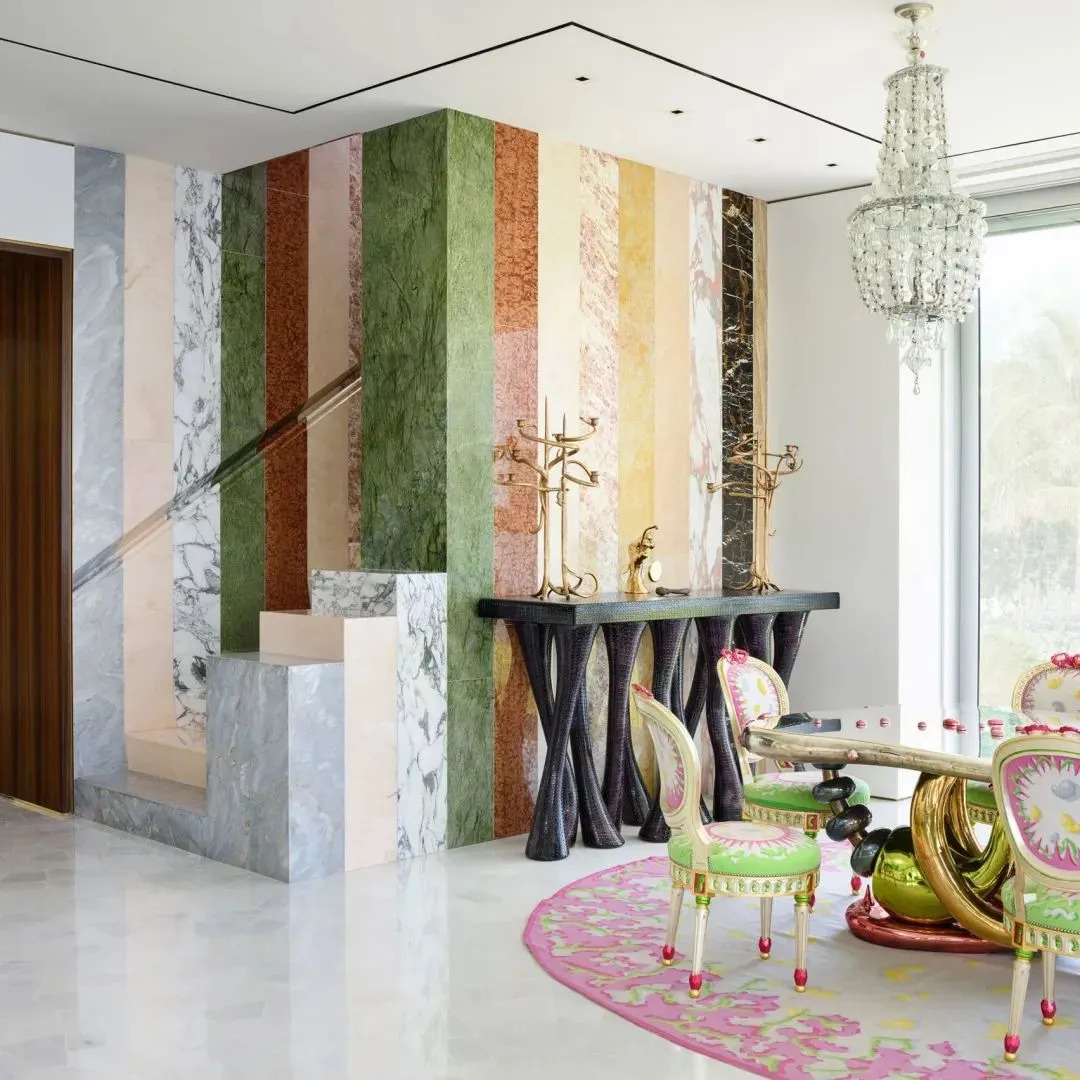
In terms of aesthetics, joint layouts should harmonize with the space's style. Symmetrical, staggered, or random joint patterns can create unique designs and textural effects. For example, in marble tiles applications, pattern matching leverages the natural veins of the stone to form seamless visual flows, elevating the luxury of the space. Our professional design team specializes in layout and pattern alignment, ensuring that each stone's veins connect flawlessly and materials are utilized to their fullest potential.

 hotel wall decoration marble tiles marble tiles marble tiles

Selection of Joint Forms and Dimensions
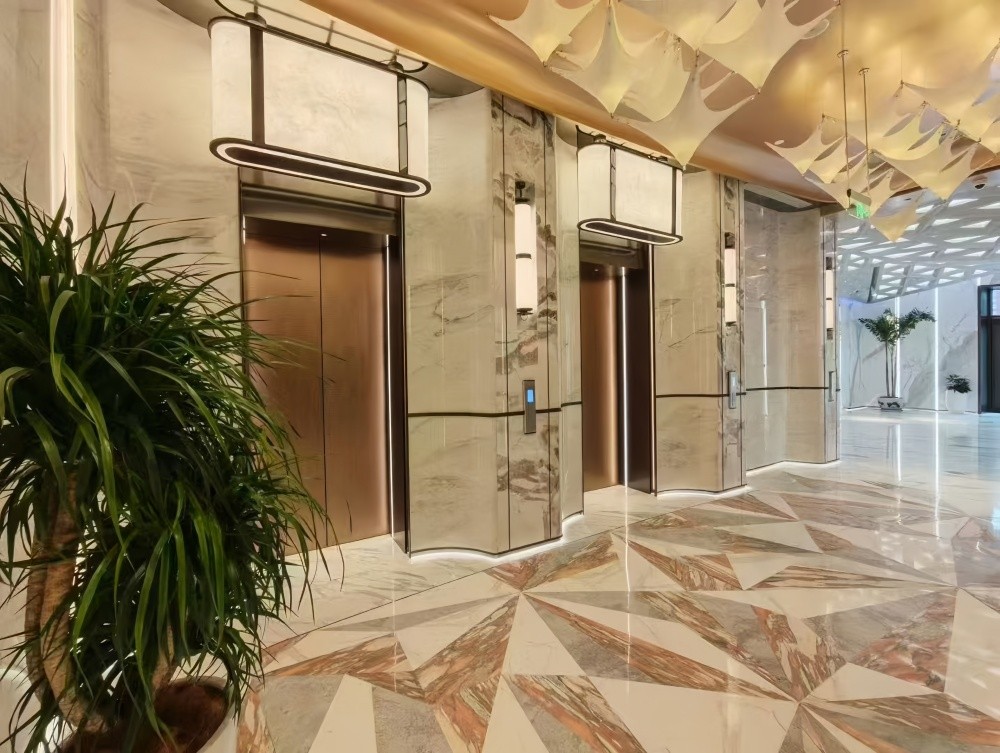
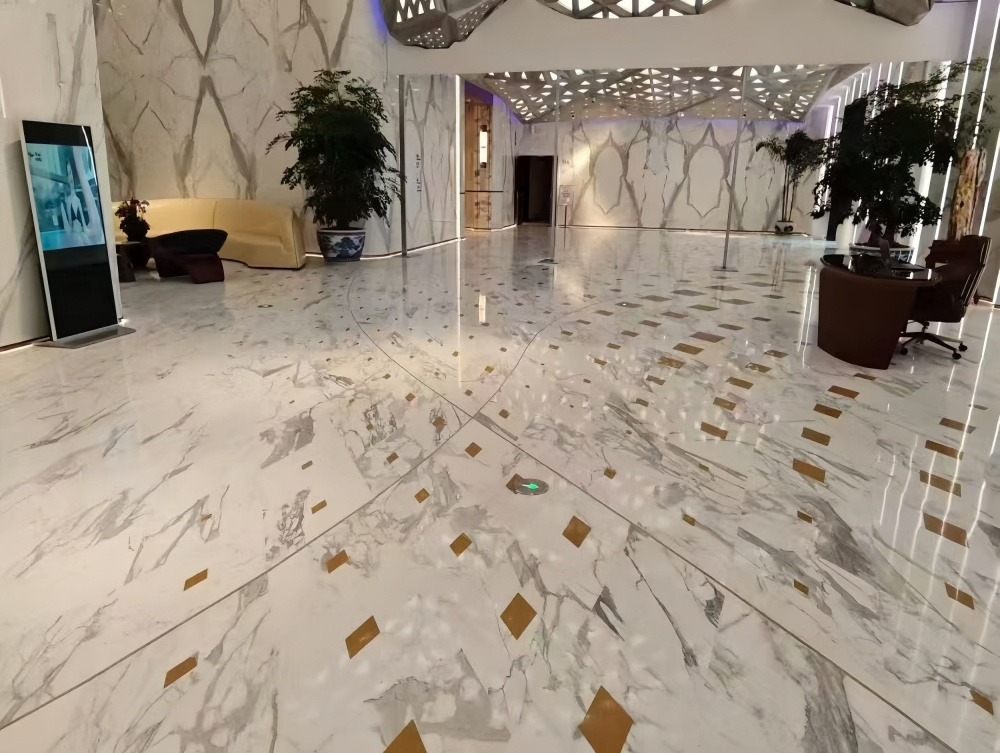
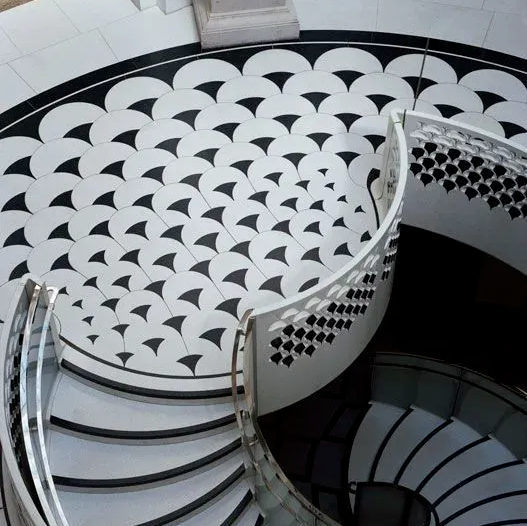
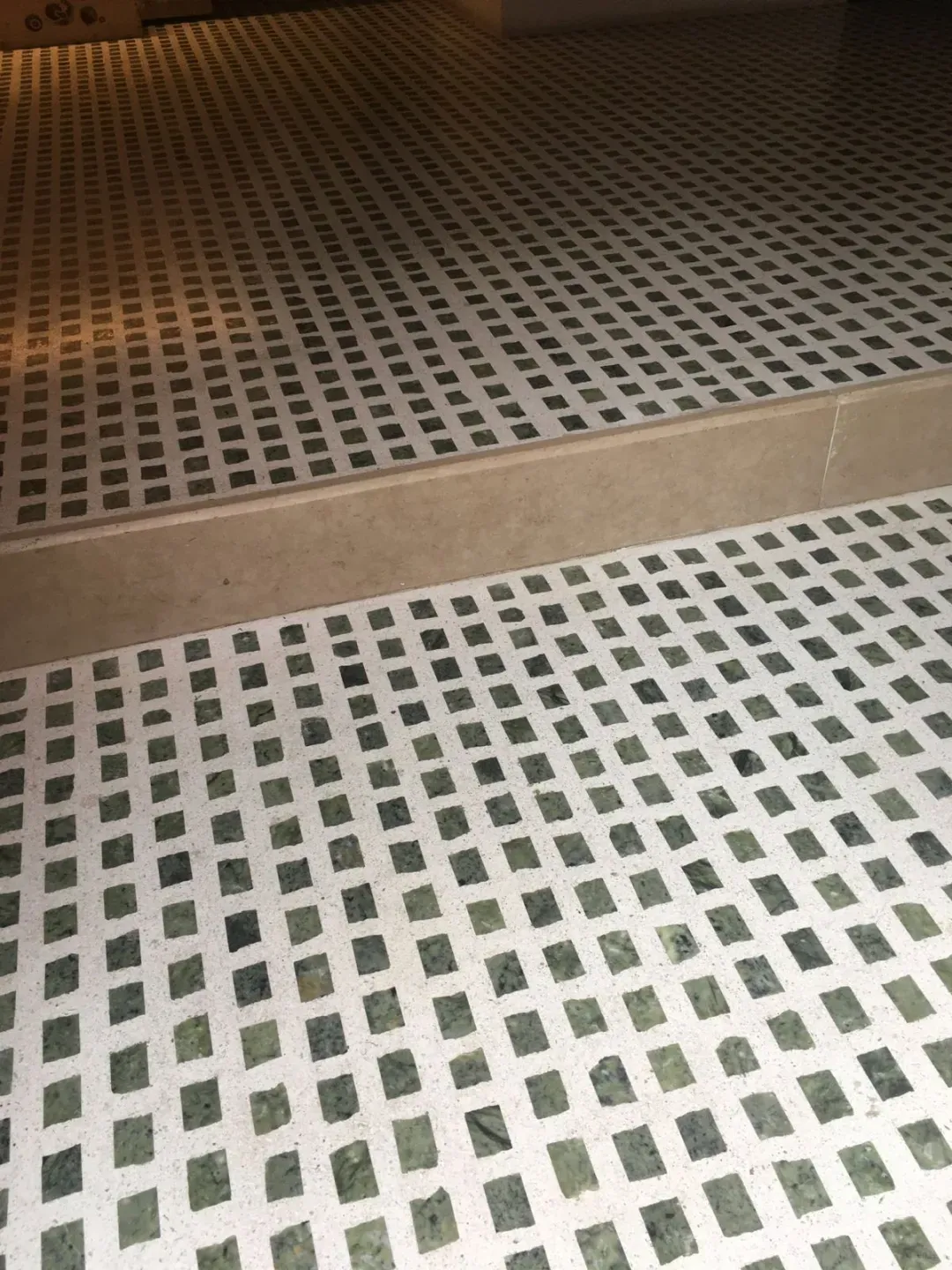
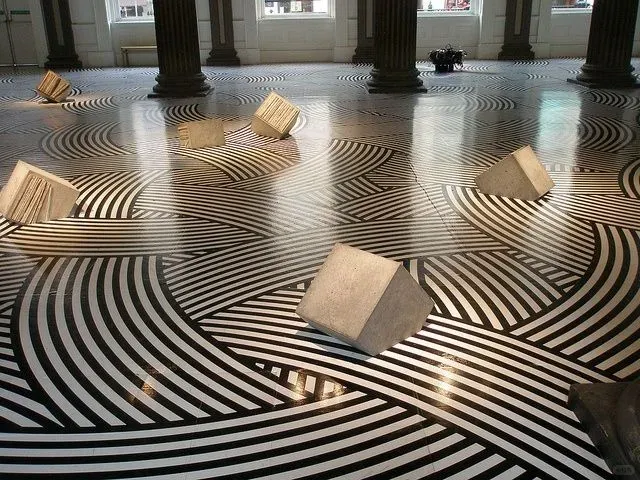
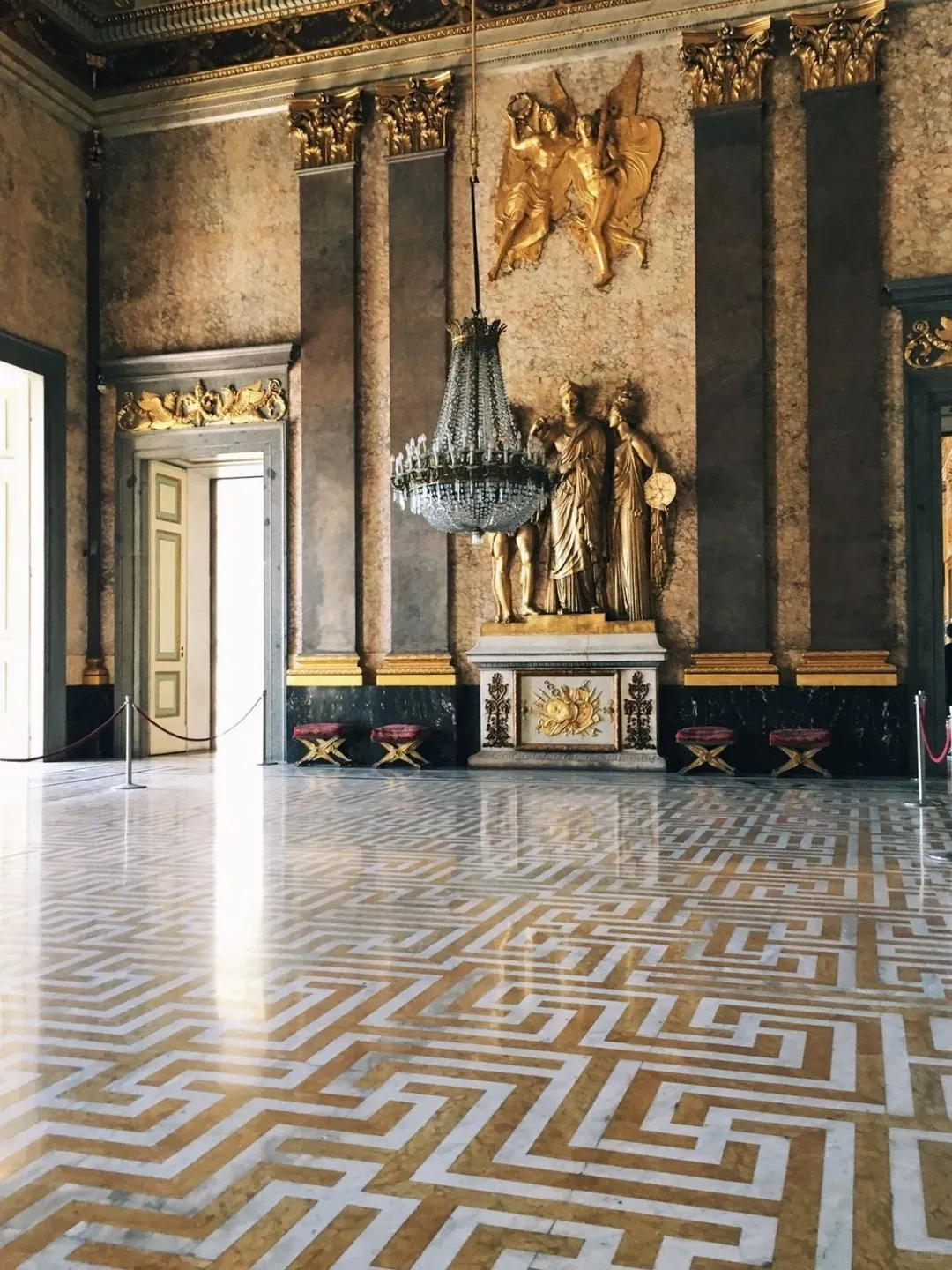
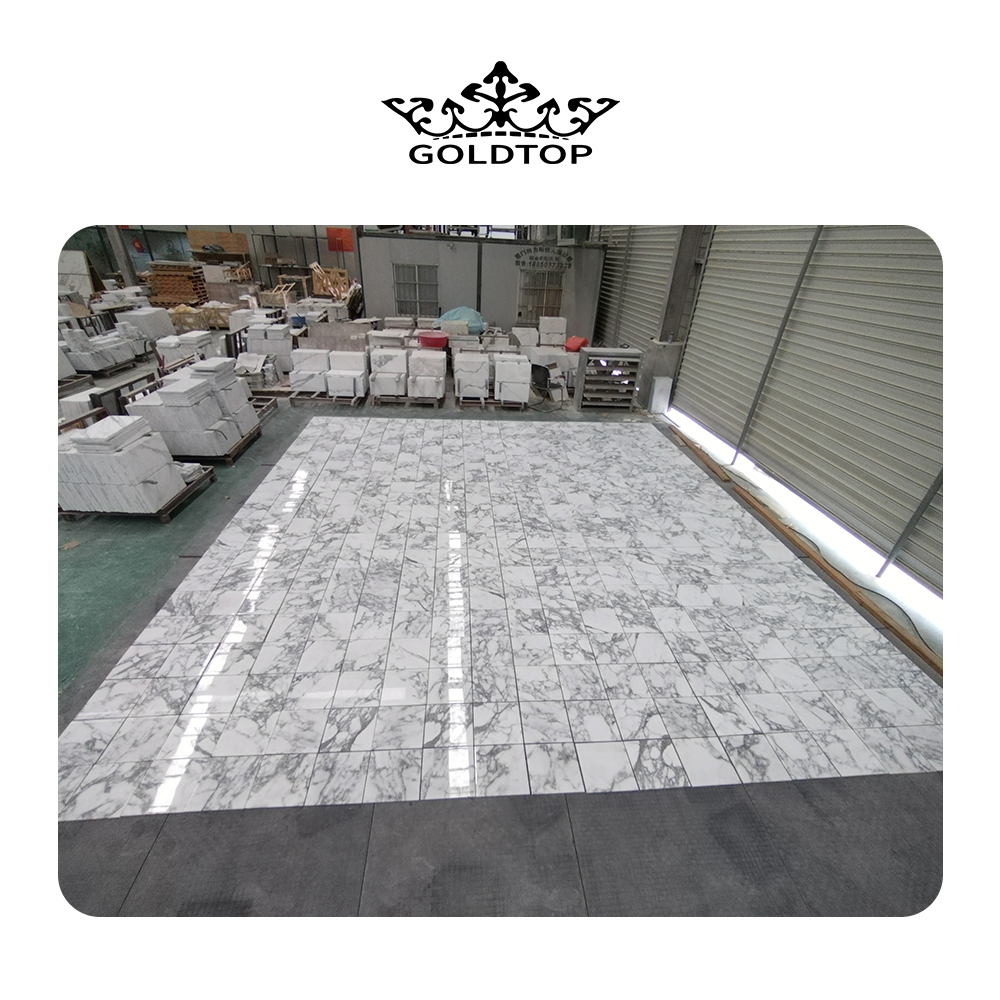
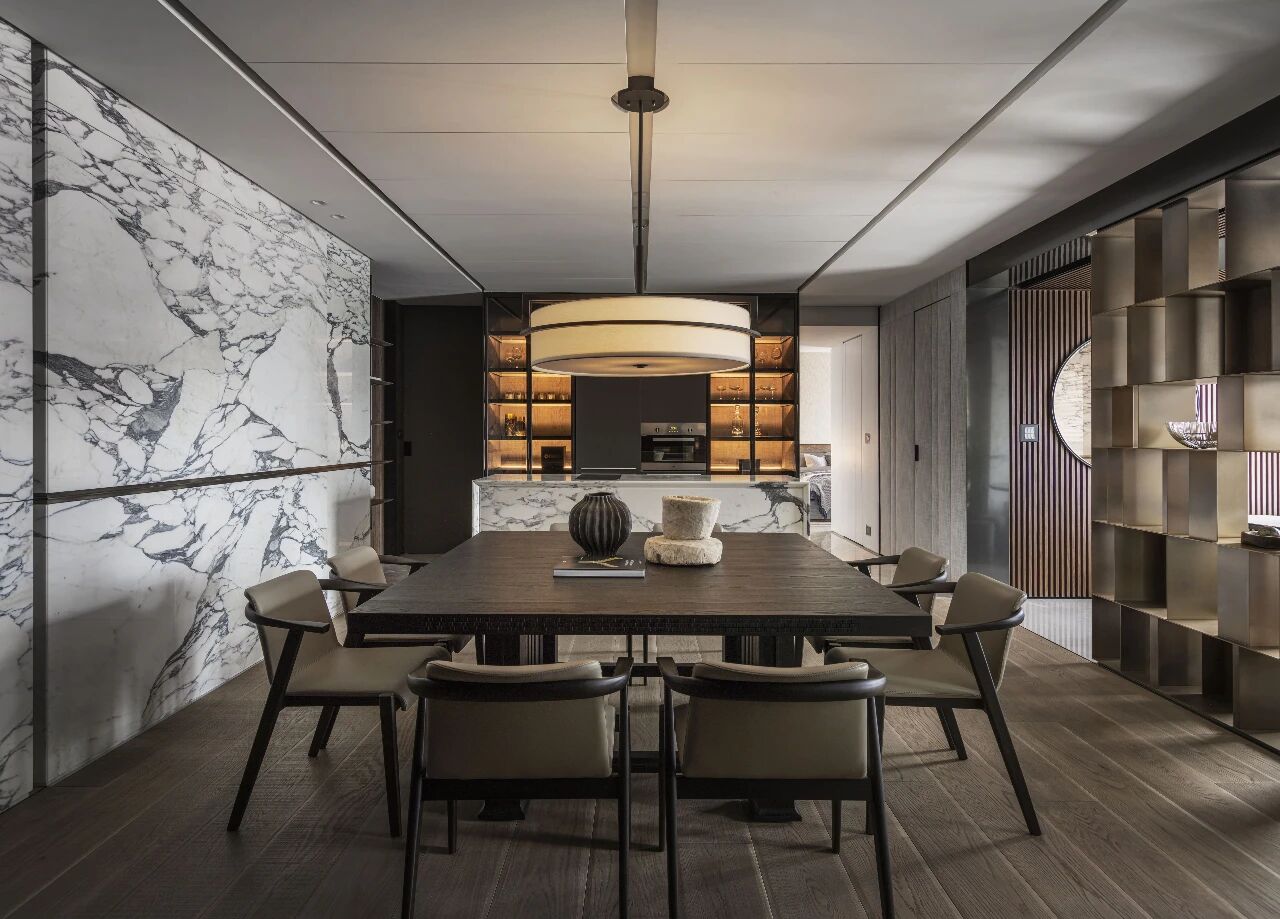
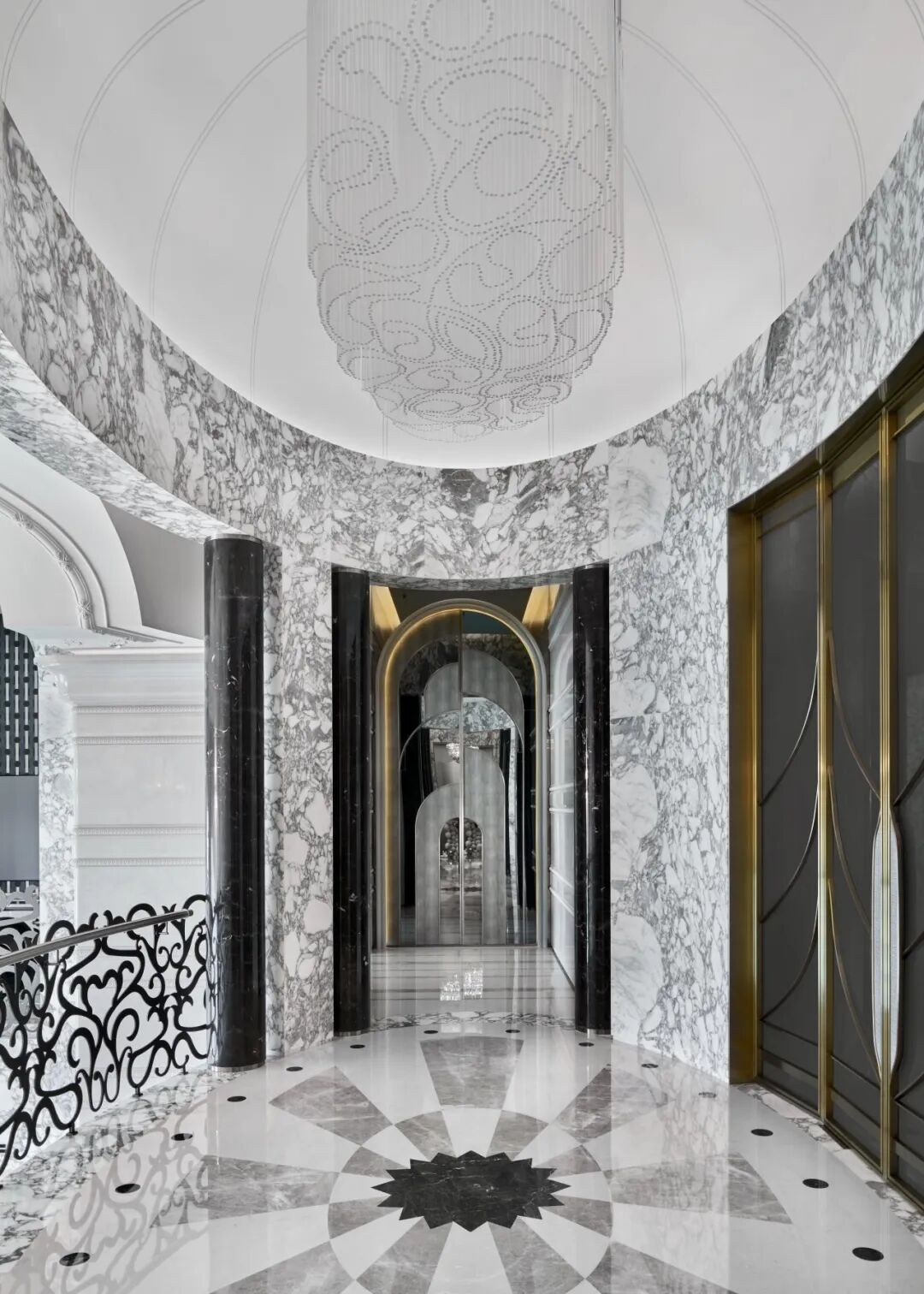
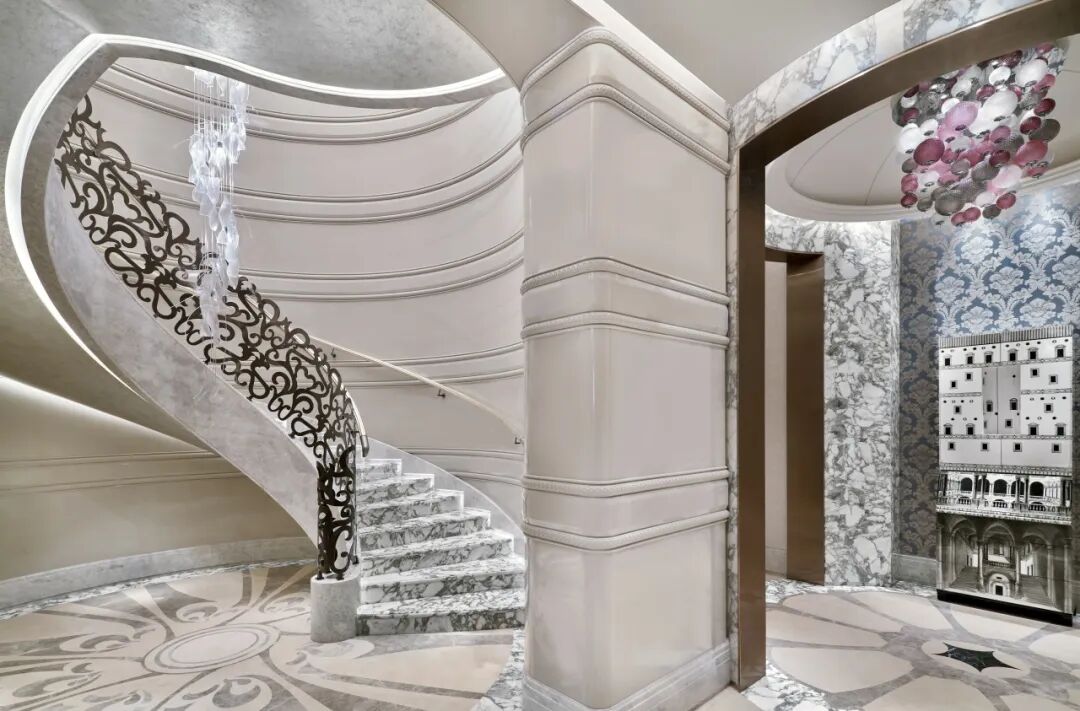
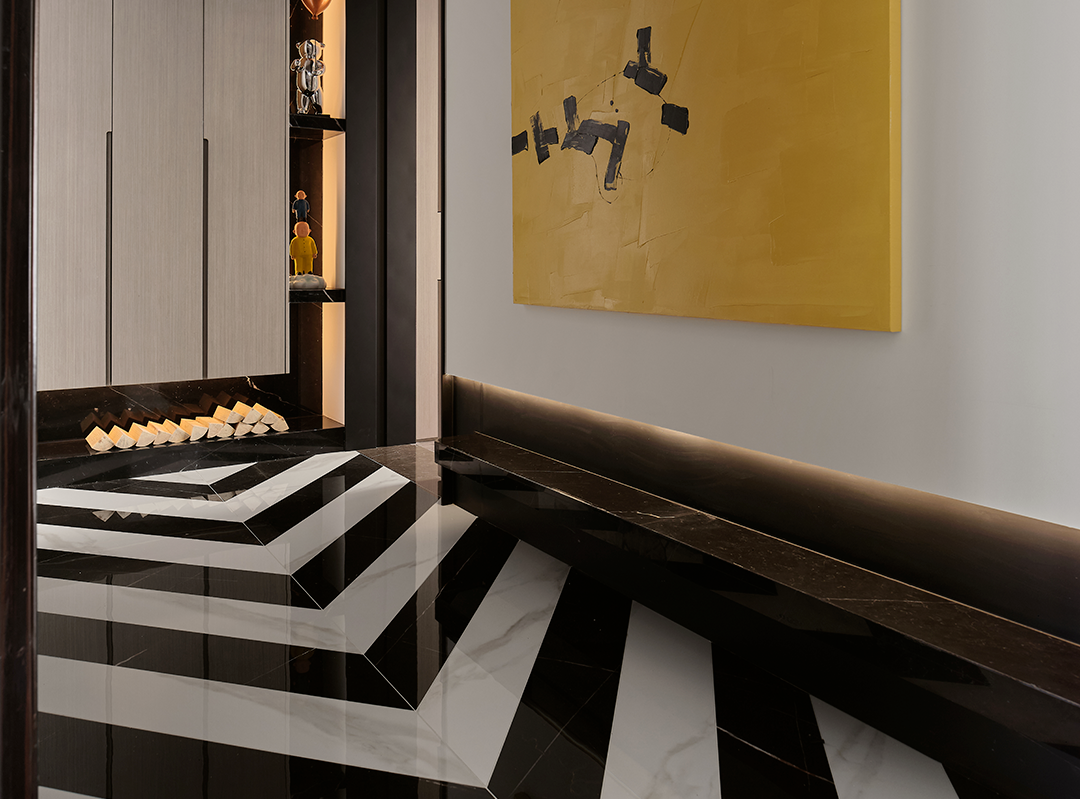
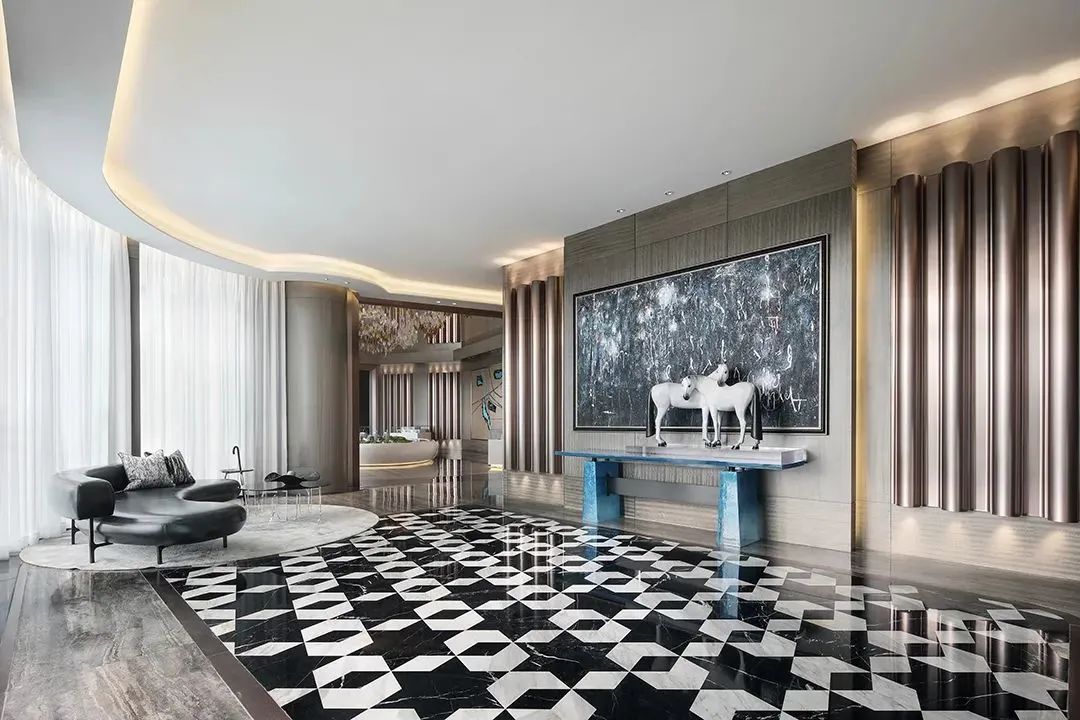
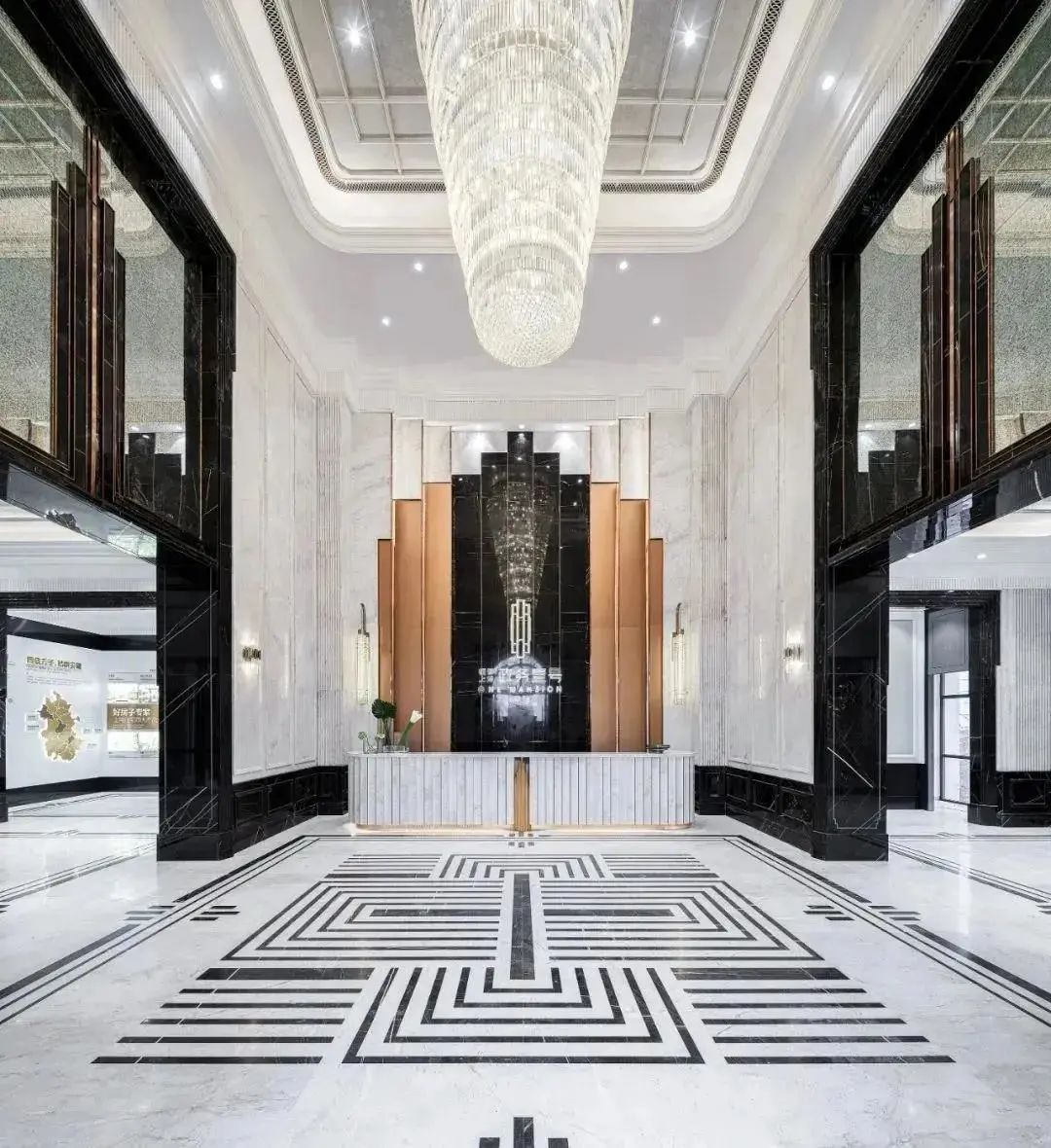
Joint forms include straight, curved, and decorative joints. Straight joints suit modern minimalist styles, while curved joints can be used in artistic spaces like hotel lobbies. Regarding dimensions, joint widths typically range from 1 to 5 millimeters, depending on the stone size and installation requirements. For instance, marble flooring often features joints of 2-3 millimeters to balance aesthetics and practicality. In terms of treatment techniques, high-quality grout can prevent staining and moisture penetration, extending the stone's lifespan.

marble tiles marble tiles marble tiles marble tiles

Advantages of a Professional Design Team
Our team brings extensive experience in providing customized joint design solutions. From initial measurements to final installation, we ensure every detail is meticulously handled, including stone pattern matching and joint treatment. Whether for marble wall cladding or hotel wall decoration, our innovative layouts enhance project value.
In summary, stone wall cladding joint layout design is a blend of art and science. Through careful planning, you can not only improve spatial beauty but also ensure the long-term performance of the stone. Contact us for professional design support!


Waterjet Carving Redefining Precision in Stone Artistry

Waterjet Carving: Redefining Precision in Stone Artistry 

In the stone trade and decoration industry, waterjet carving has emerged as the preferred technology for high-end projects, thanks to its unmatched precision and creative flexibility. As a professional stone export supplier, we integrate this innovative process into every product to deliver exceptional value to our clients.

Key Features of Waterjet Carving

  • Zero Thermal Distortion: Using ultra-high-pressure water mixed with abrasive materials, waterjet cutting generates no heat, preventing stone cracking or material alteration and ensuring flawless results.
  • Exceptional Precision: With accuracy up to ±0.1mm, even the most intricate patterns and fine details can be perfectly replicated, meeting artistic design standards.
  • Broad Material Compatibility: Whether marble, granite, tiles, or glass, waterjet technology handles all with ease, preserving the natural texture and color of materials.
  • Eco-Friendly and Efficient: Water-based cutting eliminates the need for chemicals, reducing environmental impact, while automated operations enhance productivity and shorten lead times.

Ideal Stone Types for Waterjet Carving
While versatile, waterjet carving truly shines with these stones:

Marble: Its rich colors and unique veins combined with waterjet carvings create painting-like feature walls, fireplace surrounds, and tabletops, exuding luxury.

Granite: Its exceptional hardness and durability make it ideal for intricate logos, corporate emblems, and durable outdoor pavements.

Travertine: Its relatively soft texture allows for carving of textures with varying depths, perfect for creating classic or Mediterranean-style interiors and exteriors.

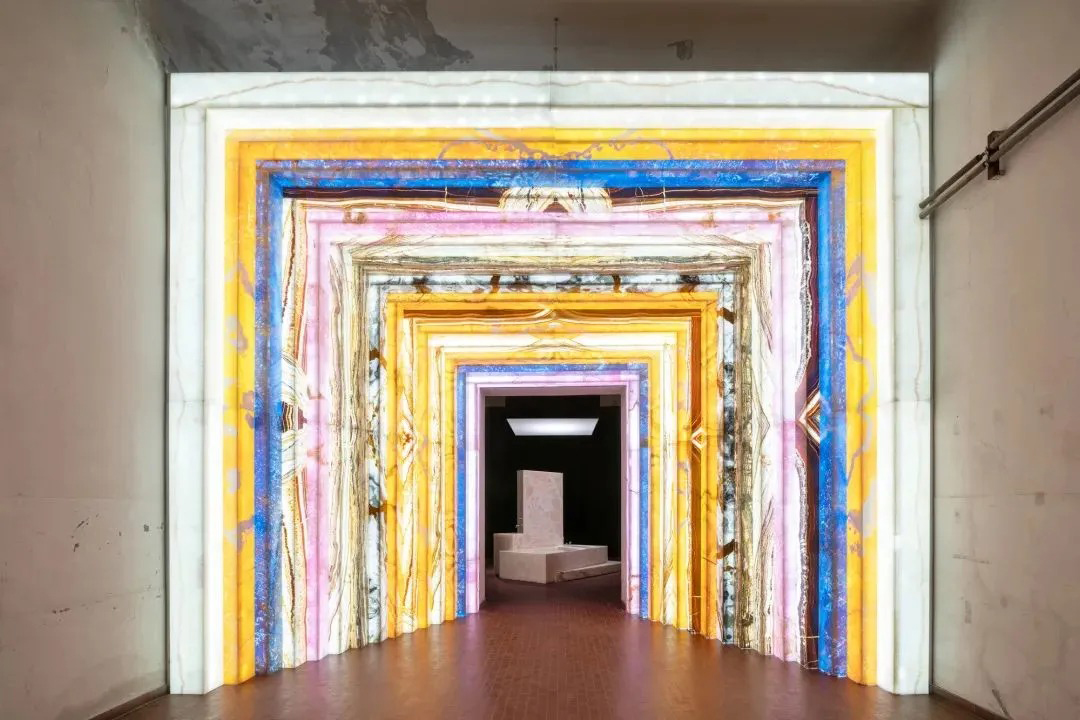
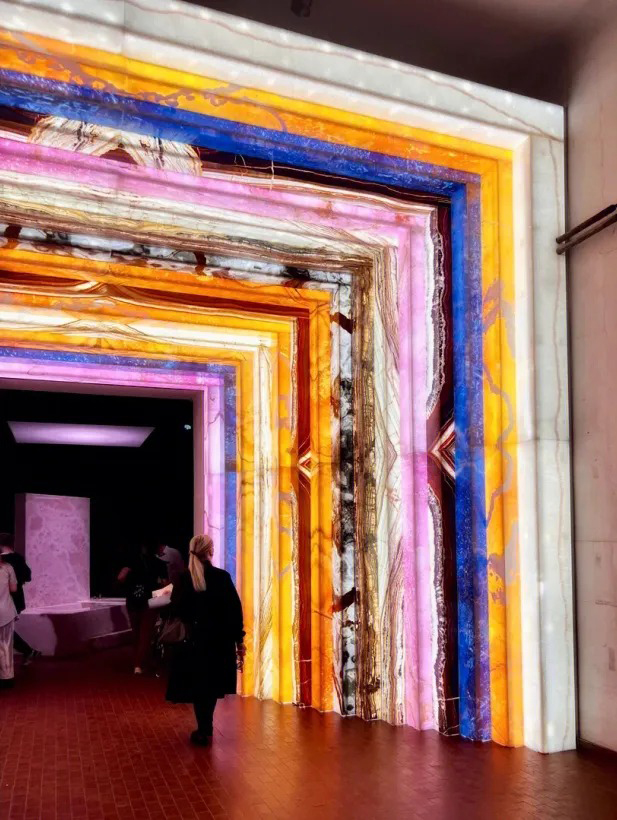
Onyx: When backlit, its translucent nature and precisely carved patterns produce stunning translucent effects, commonly used for artistic screens and feature lighting.

Real-World Cases & Client Value
We have provided waterjet carving solutions for numerous global high-end projects:

Case 1: Luxury Hotel Lobby Feature Wall in Dubai
They used Calacatta White Marble to precisely cut complex Islamic geometric patterns. The finished panels were seamlessly installed with perfect symmetry, adding profound cultural depth and ultimate luxury to the lobby, making it a central visual focus.

Case 2: In-Store Floor Guidance for a European Flagship Store
They directly carved the brand's logo and directional arrows onto Dark Absolute Granite flooring. The carved details provided an elegant contrast to the polished surface, serving both functional guidance and enhancing the store's aesthetic.

Case 3: Custom Art Screen for a Private Mansion
They selected Brazilian Onyx. We translated their design into a breathtaking floral pattern using waterjet technology. Once installed and backlit, the screen became the home's artistic centerpiece, showcasing dreamlike colors and shadows.

Why Partner With Us?
Through waterjet carving, we provide:

End-to-End Service: Our design team works closely with you to transform your concepts into executable waterjet cutting files.

Stringent Quality Control: From block selection to final packaging, every step is meticulously checked to ensure you receive only the finest carved stone.

Global Export Expertise: With streamlined export procedures and reliable logistics partners, we guarantee the safe and timely delivery of your products worldwide.

Discover the fusion of art and technology with waterjet carving. Let us help you tell a unique design story through stone.

Light Wall Tiles vs Dark Wall Tiles Which Is Better for Your Space?

When selecting wall tiles for residential or commercial interiors, choosing between light-color wall tiles and dark-color wall tiles plays an essential role in defining the mood, brightness, and visual balance of a space. Both options can be used with porcelain wall tile and ceramic wall tile materials, but the best choice depends on room size, natural lighting, and the desired design atmosphere. Below is a detailed guide to help buyers determine where each style performs best, based on modern design trends and high-traffic tile applications.


1. Application Environments for Light-Color Wall Tiles

Light-color wall tiles—such as white, beige, cream, and soft grey—are widely used in modern interior design because they make spaces appear larger, brighter, and more open. They are particularly popular in bathroom wall tiles, kitchen wall tiles, and living room decoration projects.

Best Environments

(1) Small or Narrow Rooms

Light-tone tiles help visually enlarge compact spaces.
Using glossy wall tile in small bathrooms allows light to reflect efficiently, improving overall brightness.

(2) Rooms with Limited Natural Lighting

In corridors, basements, or window-less kitchens, light wall tiles maximize available light and reduce the feeling of confinement.

(3) Clean and Minimalist Interiors

Light-color tiles are a top choice for Scandinavian, minimalist, and modern design styles.
Large surfaces finished with large format tile further enhance the seamless, clean aesthetic.

(4) Areas Requiring Hygienic or Fresh Impressions

In restaurants, clinics, or residential kitchens, white or cream ceramic wall tile conveys cleanliness and freshness.
These tiles also pair well with stainless steel fixtures and bright cabinetry.

High Gloss Light Wall Ceramic Tile


2. Application Environments for Dark-Color Wall Tiles

Dark-color wall tiles—charcoal, black, deep brown, navy, and dark stone looks—are used to build a dramatic and luxurious atmosphere. Designers often select them for modern interior design tiles, accent walls, and statement backgrounds.

Best Environments

(1) Large or Open Spaces

Dark walls work best in large bathrooms, spacious living rooms, and open commercial lobbies.
They provide depth and bring a sense of stability.

(2) Rooms With Strong Lighting

Dark tiles absorb light rather than reflect it.
In spaces with abundant natural light or strong LED lighting, matte wall tile or textured surfaces prevent glare and create balance.

(3) Luxury, Industrial, or Hotel-Style Designs

Dark tones help create premium visual effects, commonly seen in hotel bathrooms, upscale restaurants, and boutique retail stores.
Using dark porcelain wall tile with metallic elements enhances the high-end look.

(4) Feature Walls and Contrasting Designs

Dark tiles are excellent for accent walls behind TVs, mirrors, or shelves.
They can be paired with light flooring or bright furniture to create sharp contrast and highlight architectural details.

Dark Color Wall Tile Interior Design


3. How to Combine Light and Dark Wall Tiles

Many interior designers prefer mixing both styles to achieve a harmonious and modern aesthetic.

  • Light walls + dark feature wall: Ideal for bathrooms and living rooms.

  • Dark lower walls + light upper walls: Provides visual stability while keeping the room bright.

  • Light glossy + dark matte combinations: Adds modern contrast and surface diversity.

Using complementary tones ensures the room stays visually balanced and avoids overwhelming the design.


4. Material Considerations

Whether choosing light or dark tones, selecting the right tile finish and size is equally important:


  • Glossy wall tile: Enhances brightness, suitable for small spaces.

  • Matte wall tile: Softens lighting, ideal for luxury and large rooms.

  • Large format tile: Reduces grout lines, enhances the seamless look.

  • Porcelain wall tile: Excellent for durability, moisture resistance, and modern homes.

  • Ceramic wall tile: Lightweight, cost-effective, perfect for residential walls.


How to Choose Bathroom Tiles

When renovating or designing a bathroom, one of the most crucial decisions is selecting the right tiles. The choice of tiles will determine not only the bathroom’s appearance but also its safety, comfort, and ease of maintenance for years to come. Below are comprehensive guidelines to help you choose the best tiles for your bathroom.

Wholesale Bathroom Ceramic Tile


1. Tile Material

The material of the tile directly affects durability and performance:

  • Porcelain Tiles: Highly durable, dense, and water-resistant. They are ideal for wet areas like shower floors and walls. Porcelain tiles are less porous than ceramic, meaning they absorb less water and last longer.

  • Ceramic Tiles: Affordable and available in a wide variety of colors and patterns. They are suitable for walls and areas with less moisture exposure.

  • Mosaic Tiles: Usually small-sized tiles, perfect for creating slip-resistant shower floors or decorative accent walls.

  • Stone-Look or Marble-Effect Tiles: Provide a luxurious appearance while offering the practicality of porcelain or ceramic.


2. Slip Resistance and Safety

Bathrooms are wet environments, so safety should be the top priority:

  • Choose matte, textured, or anti-slip tiles for bathroom floors to reduce the risk of slipping.

  • Many tiles have an R-rating (slip resistance grade). For bathrooms, tiles with R9–R11 are recommended.

  • Consider using mosaic tiles for shower areas, as the extra grout lines increase friction and grip.


Factory Direct Anti Slip Ceramic Tiles


3. Tile Size and Layout

The size and layout of tiles influence both style and practicality:

  • Large-format tiles (e.g., 600x1200mm) create a modern, seamless look and make small bathrooms appear larger. They also mean fewer grout lines, which makes cleaning easier.

  • Medium tiles (300x600mm) are versatile and balance aesthetics with functionality.

  • Small tiles or mosaics work well in curved or irregular spaces and for creating detailed patterns.

Tip: Always plan your tile layout before installation to avoid awkward cuts at edges or corners.


4. Color, Style, and Mood

Color and design directly impact the atmosphere of the bathroom:

  • Light tones (white, beige, light grey) brighten the space and create a sense of cleanliness.

  • Dark tones (charcoal, navy, black) bring sophistication but require good lighting to avoid a cramped feel.

  • Neutral palettes remain timeless and easy to match with other décor.

  • Trendy options include marble-effect tiles for a luxurious look, wood-look tiles for a cozy spa-like feel, and terrazzo-style tiles for a modern statement.


5. Maintenance and Cleaning

A bathroom is a high-use space, so tiles should be easy to clean:

  • Polished or glazed tiles resist stains and are easy to wipe down.

  • Choose tiles with fewer pores to prevent water absorption and mold growth.

  • Minimize grout lines or use stain-resistant grout to reduce discoloration.


6. Different Areas, Different Tiles

Not all parts of the bathroom need the same tiles:

  • Floor Tiles: Must be anti-slip, durable, and resistant to wear.

  • Wall Tiles: Can be glossy, decorative, or patterned since they face less direct wear.

  • Shower Area: Use water-resistant tiles with good grip. Smaller tiles are often preferred.

  • Accent Walls/Backsplashes: A good place to experiment with bold colors, mosaics, or textured tiles.


7. Budget Considerations

  • Porcelain tiles are more expensive but last longer, making them cost-effective over time.

  • Ceramic tiles are budget-friendly and versatile.

  • Always consider the cost of installation and maintenance in addition to the tile price.


    Conclusion


Choosing bathroom tiles involves more than just appearance. Consider the material, slip resistance, size, layout, style, and maintenance requirements to ensure both functionality and beauty. By selecting the right tiles for each area of your bathroom, you can create a safe, elegant, and long-lasting space that suits your lifestyle and design preferences.

Timeless Elegance Transform Your Home with Calacatta White Marble Tiles

When it comes to interior design, few materials capture the essence of luxury as effortlessly as marble. Among the many varieties, Calacatta White Marble stands out as a timeless classic. Its luminous white background and graceful veining patterns create an air of sophistication that can instantly transform any room. Whether you are planning a grand renovation or simply updating a few spaces, Calacatta White Marble tiles bring a sense of enduring elegance that never goes out of style.

Calacatta White Marble Tiles


What Makes Calacatta White Marble Unique

Calacatta White Marble is celebrated for its distinctive veining and bright white base, which set it apart from other natural stones. Unlike Carrara marble, which typically features softer and more uniform veining, Calacatta marble showcases bolder, more dramatic patterns that make a striking statement. Each tile is a work of art, formed by nature over centuries, ensuring that no two pieces are ever identical.

This uniqueness is one of the key reasons why designers and homeowners alike are drawn to Calacatta. It brings a sense of refined individuality to a space, elevating interiors with natural beauty that feels both modern and timeless.

White Marble Tiles


Benefits of Using Calacatta White Marble Tiles

Luxurious Aesthetic

The crisp white tones and intricate veining create a sleek, elegant look. Whether used in contemporary or traditional interiors, Calacatta White Marble instantly conveys sophistication. It turns ordinary spaces into statement pieces of design.

Versatility in Design

One of the biggest strengths of Calacatta White Marble tiles is their adaptability. They are equally at home on floors, walls, backsplashes, or bathroom accents. This versatility makes it easy to create a cohesive, upscale look throughout the home, from entryways to private retreats.

Durability and Functionality

Beyond its visual appeal, Calacatta marble is known for its strength and resilience. When properly installed and sealed, these tiles resist wear and provide long-lasting beauty. Homeowners can enjoy not only the elegance but also the practicality of a material designed to withstand everyday use.

Polished Finish

The smooth, glossy surface of polished Calacatta marble reflects natural light beautifully. This feature helps to brighten interiors, making rooms feel larger, more open, and more inviting. It is especially effective in spaces that benefit from added illumination, such as bathrooms or hallways.

Calacatta White Marble Tiles


Design Ideas and Applications

Living Rooms

In living spaces, Calacatta White Marble tiles can be used to create dramatic feature walls or expansive flooring. Paired with plush furnishings, the effect is both modern and welcoming, striking a perfect balance between comfort and luxury.

Kitchens

Calacatta marble is a popular choice for kitchen backsplashes and countertops. The bold veining adds character, while the polished surface complements stainless steel appliances, wooden cabinets, and metallic accents. It provides the ideal mix of style and practicality.

Bathrooms

For bathrooms, Calacatta White Marble brings a spa-like ambiance. Floor-to-ceiling tiles in the shower or a marble-clad vanity instantly elevate the space into a personal retreat. The bright tones also make smaller bathrooms appear more spacious.

Entryways and Hallways

First impressions matter, and marble flooring in entryways creates a sense of grandeur from the moment guests walk in. Calacatta White Marble is perfect for these transitional spaces, offering both durability and elegance.

Kitchen Calacatta White Marble Tiles


Tips for Incorporating Calacatta White Marble

Pair with Warm Materials: Balance the cool white tones with wood, brass, or matte finishes for a harmonious design.

Optimize Lighting: Install soft, warm lighting to highlight the natural veining and enhance the polished surface.

Regular Maintenance: To preserve its shine, seal the marble periodically and clean with pH-neutral products. This helps maintain its luxurious appearance for years to come.

Calacatta White Marble Tiles in the bathroom


Conclusion

Calacatta White Marble tiles are more than just a design choice—they are an investment in timeless elegance. Their unique veining, durability, and ability to enhance natural light make them a versatile option for virtually any space in the home. Whether used for grand flooring, stylish backsplashes, or serene bathroom designs, Calacatta White Marble effortlessly blends beauty with practicality.

If you are ready to bring a touch of luxury into your living space, consider incorporating Calacatta White Marble tiles into your next project. With their classic charm and lasting value, they are the perfect way to transform your home into a haven of elegance and sophistication.

‌December Sun Kitchen Supplies Collection Where Terrazzo Meets Warmth

Introduction To Kitchen Supplies Collection

The December Sun Kitchen Supplies Collection combines style with functionality, designed specifically to enhance your cooking and dining experience. It includes a diverse range of products such as wine cooler, serving tray, cake stand, cake stand with cloche, cheese board and cheese borad cutter.


1. Wine Cooler

  • Material: Solid terrazzo body‌ + ‌reclaimed wood base‌ + ‌brushed brass fittings
  • Functionality: The wine cooler keeps wine/champagne bottles perfectly chilled (up to 4 hours). The terrazzo’s natural thermal mass enhances cooling, while the weighted base prevents tipping.
  • Perfect For: Outdoor dinners, poolside parties, stylish bar, etc.


2. Serving Tray

  • Material: ‌2-layer terrazzo trays‌ + ‌wood central pillar‌‌
  • Functionality: The serving tray creates vertical presentation space for appetizers, desserts, or brunch treats. Non-slip terrazzo feet ensure the stability.
  • Perfect For: High tea, parties, birthdays, etc. 

3. Cake Stand

  • Material: Wood base + terrazzo tray
  • Functionality: The cake stand displays all kinds of sweet and savory treats. The wooden weighted base prevents tipping.
  • Perfect For: Wedding, birthday parties, or any event you can think of.


4. Cake Stand With Cloche

  • Material: Terrazzo base + wood plate + glass dome
  • Functionality: The cake stand with cloche creates a humidity-controlled microclimate to keep cakes or baked goods fresh for 48+ hours.
  • Perfect For: Wedding centerpieces, bakery displays, etc.


5. Cheese Board

  • Material: Terrazzo board + solid wood board‌
  • Functionality: The cheese board has two functional features: 1. Non-porous terrazzo zone prevents cheese oil from penetrating. 2. Reversible design: Terrazzo side for soft cheeses, wood side for aged varieties. 
  • Perfect For: Breakfast, wine tastings, dinner parties, etc.


6. Cheese Board Cutter

  • Material: Terrazzo board + wood board + stainless steel pivot mechanism + wood handle
  • Functionality: The cheese board cutter provides clean cuts with minimal pressure. The stainless steel pivot mechanism ensures smooth cutting action with corrosion-resistant properties.
  • Perfect For: Cheese tastings, charcuterie prep, etc.


If you would like to know more about our new designs, please do not hesitate to contact us!

Elevate Your Space The Art of Functional Luxury with Metal Wire & Marble Decor

Introduction To Metal Wire & Marble Collection

In a world where functionality often compromises beauty, our Metal Wire & Marble Collection redefines the balance. Each handcrafted piece merges industrial-strength metalwork with natural stone elegance, creating functional art for discerning homeowners. Discover how these conversation-starting designs can transform your kitchen countertop, dining table, or office space into curated showcases of sophistication.

Our Metal Wire & Marble Collection includes a diverse range of products such as fruit bowl, serving tray, paper holder and wine rack.


1. Fruit Bowl

Material: The material chosen for the upper wire portion reflects a delicate balance between strength and beauty, while the base of luxurious marble adds a touch of refinement and grandeur. 

Design: Geometric wire lattice with dual-layer reinforcement for structural integrity. Contrast aesthetics: Brushed metal texture against marble's veined patterns.

Functionality: The versatility of this fruit bowl allows it to effortlessly complement any decor style, from minimalistic to eclectic.

Usage Scenarios: Whether displayed as a centerpiece on a dining table or placed on a kitchen counter to showcase vibrant fruits. 

Craftsmanship: The intricate craftsmanship involved in creating this unique piece is evident in every detail, from the meticulous assembly of the wire frame to the flawless finishing of the marble base. Each element is carefully considered to ensure a fruit bowl of utmost quality and sophistication.


2. Serving Tray

Material: Crafted from premium marble, this stunning tray features elegant metal handles that elevate its luxurious appeal.

Design: Featuring a ‌simple rectangular design‌ complemented by ‌elegant metal handles‌, the serving tray exudes modern elegance.

Functionality: A versatile piece for serving drinks or displaying decorative items.

Usage: Whether used in a chic living room or as a stylish addition to a vanity, this tray exudes timeless glamour. 

Craftsmanship: Meticulously crafted with precision, the intricate details and superior craftsmanship of this piece showcase the artisan's dedication to creating a work of art. Elevate your home decor with this distinguished marble tray that epitomizes both style and sophistication.


3. Paper Holder

Material: The metal wire gracefully adorns the upper body of the holder, adding a touch of sophistication, while the solid marble base provides stability and a luxurious feel.

Design: The paper holder combines the sleek elegance of metal wire with the timeless beauty of marble. Crafted with attention to detail, this piece boasts a harmonious blend of materials and craftsmanship that sets it apart.

Functionality: This sophisticated paper holder not only serves its practical purpose of holding tissues but also doubles as a statement piece in any setting.

Usage: Whether placed in a minimalist modern home, a chic office space, or a lavish hotel suite, this paper holder exudes class and refinement.

Craftsmanship: The meticulous craftsmanship ensures that each piece is of the highest quality, with a flawless finish and durability that will stand the test of time. The careful attention to detail and the combination of materials create a striking contrast that is sure to catch the eye of discerning individuals.


4. Wine Rack

Material: Made of ‌high-quality metal wire and natural marble‌, sturdy and durable with strong stability.

Design: This wine rack stands out with its seamless blend of durable metal and luxurious marble, ensuring both longevity and a striking visual appeal.

Functionality: Functionally, this wine rack is designed to accommodate a generous collection of fine wines, offering a stylish storage solution that doubles as a statement piece in any room.

Usage: Whether showcased in a sophisticated dining area or an intimate wine-tasting corner, this wine rack adds a touch of sophistication to any setting.

Craftsmanship: The meticulous craftsmanship that goes into the creation of this wine rack is evident in its flawless finish. Each element is carefully assembled to perfection, reflecting the expertise of skilled artisans and the commitment to delivering excellence in design.


For more information about our new designs, please do not hesitate to contact us!

The Timeless Appeal of a Marble Kitchen Why It Never Goes Out of Style

When it comes to designing a kitchen that feels both stylish and enduring, few materials have the staying power of marble. Trends come and go—open shelving, bold cabinet colors, industrial finishes—but marble always manages to hold its ground. Walk into a modern condo in New York or a centuries-old villa in Tuscany, and chances are you’ll find marble taking center stage in the kitchen. Its natural beauty, cool touch, and unique veining make it a favorite for homeowners and designers alike. But beyond looks, marble carries a certain timelessness that’s hard to replicate. Let’s dive into why marble continues to captivate and how it can be incorporated into today’s kitchens.

Marble Kitchen


A Rich History of Elegance

Marble isn’t a new kid on the block. Its story is one of the oldest in human design. Think of the ancient Greeks and Romans—the masters of architecture and sculpture who used marble to build some of the world's most iconic structures, like the Parthenon and the Colosseum. They knew marble wasn't just a building material; it was a symbol of power, wealth, and timeless beauty.

Fast forward to the Renaissance, and artists like Michelangelo used it to create masterpieces that still captivate us today. The cool, smooth surface of marble and its unique veining made it perfect for capturing the human form with a sense of lifelike grace.

This rich history is part of what gives a marble kitchen its gravitas. When you install a marble countertop or a backsplash, you're not just buying a slab of stone; you're bringing a piece of this legacy into your home. It’s a connection to centuries of art and design, a material that has been celebrated by cultures across the globe. This kind of deep, historical significance is something that a manufactured surface just can't replicate, and it's a huge reason why marble's appeal is truly timeless.

Marble Kitchen Countertops


Aesthetic Versatility 

One of marble’s biggest strengths is its ability to adapt to different styles. Whether your kitchen leans modern, traditional, rustic, or somewhere in between, marble fits right in.

Want a sleek, minimalist vibe? Go for honed white marble with subtle veining.

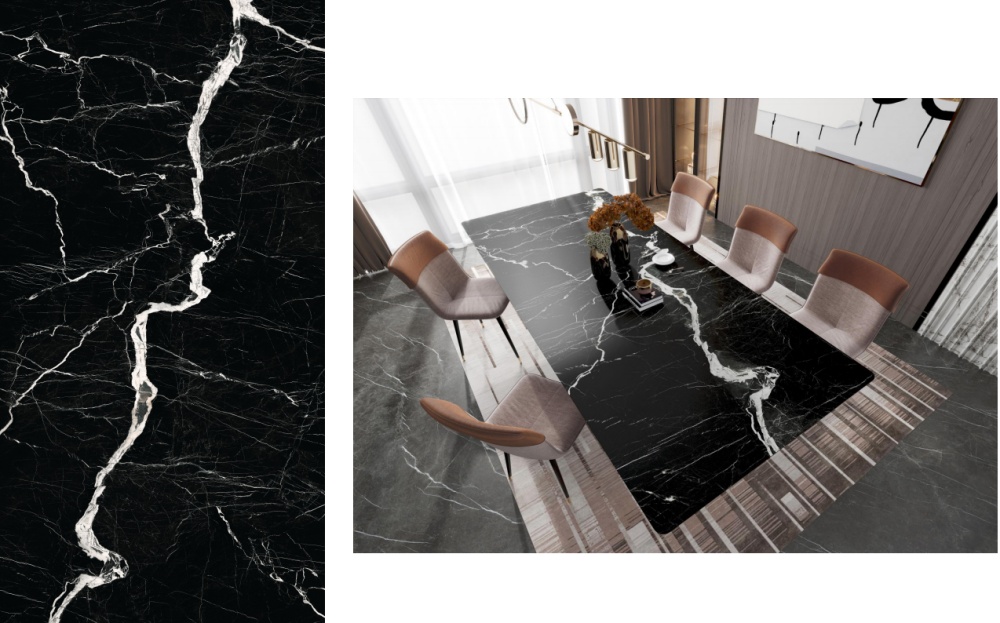
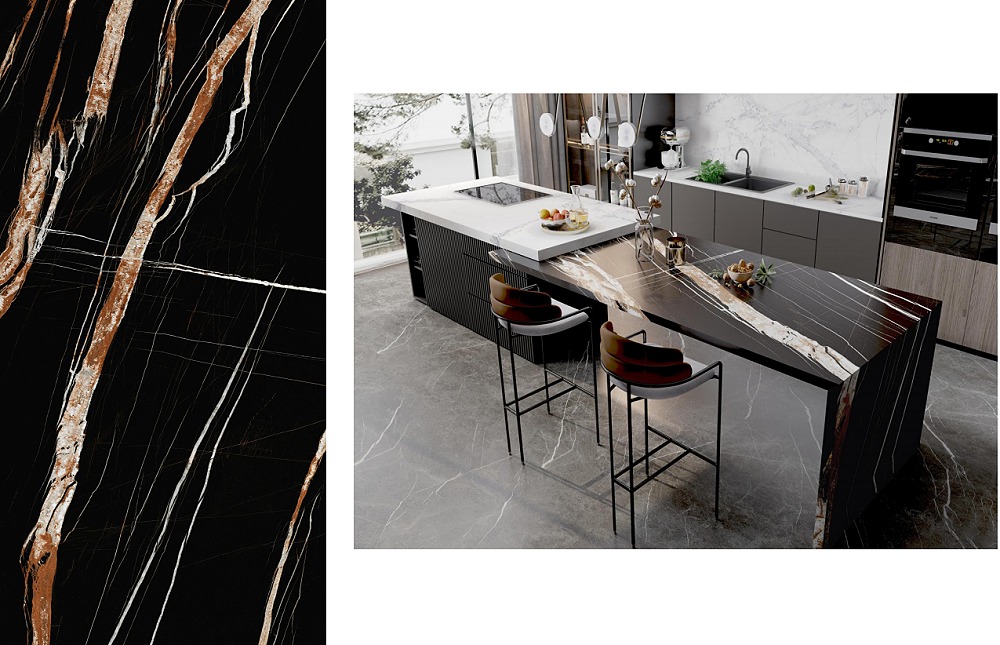
Prefer something bold and dramatic? Black marble with gold veins can make a stunning impact.

Love the farmhouse look? Pair Carrara marble with warm wood tones and vintage fixtures.

Marble’s natural patterns and color variations mean no two slabs are exactly alike. That uniqueness adds character and depth to your space, making it feel curated rather than cookie-cutter.

Gray marble slab


The Application of Marble in the Kitchen

Countertops

Countertops are the most common and iconic way to showcase marble. A marble countertop immediately becomes the focal point of the kitchen. The surface is smooth, cool, and ideal for baking—pastry chefs especially love it for rolling dough. While marble is softer than granite and can show wear over time, many people see that natural patina as part of its charm. Rather than fearing scratches or etches, they embrace them as signs of a well-loved kitchen.

Backsplashes

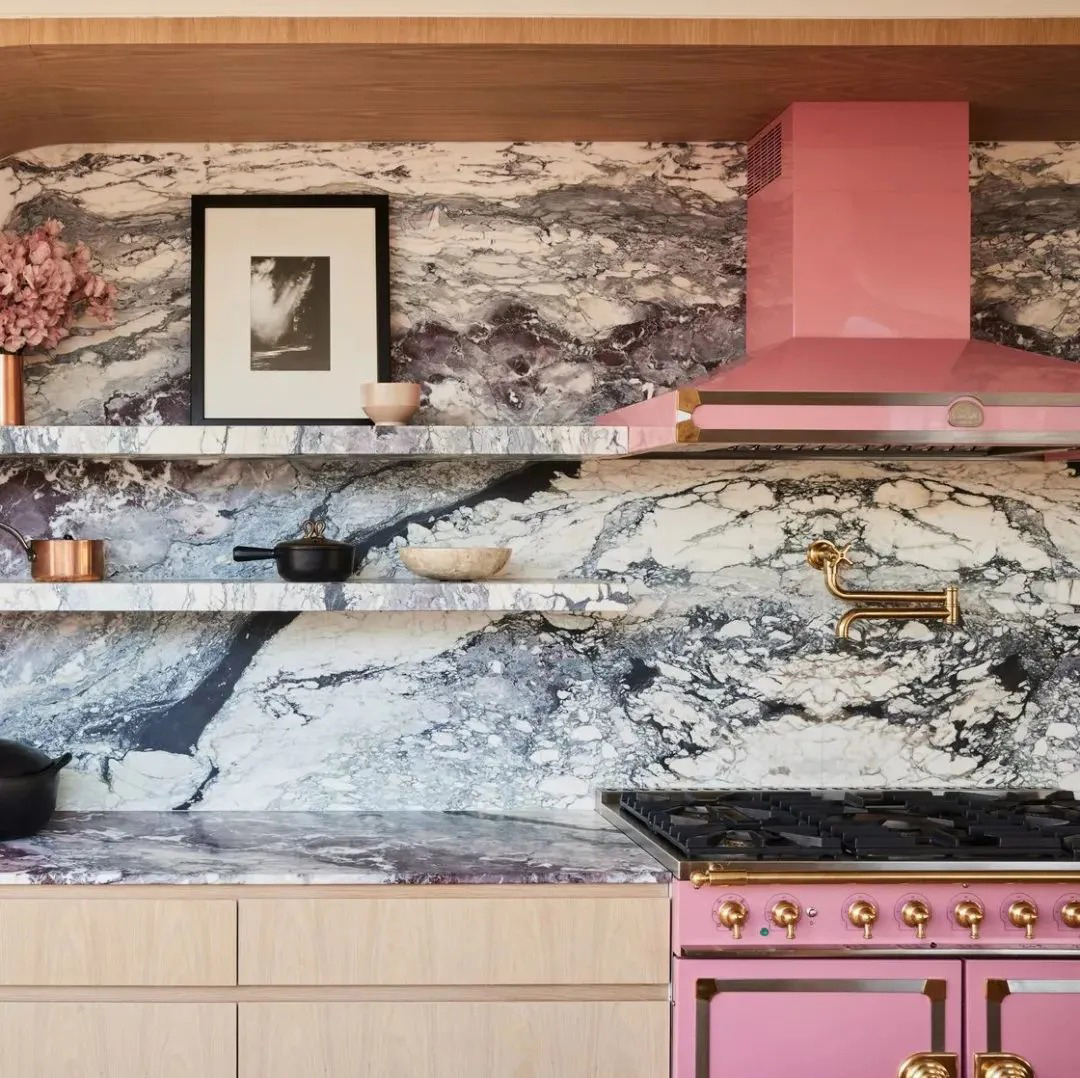
Marble backsplashes are a great way to add elegance without going all-in on countertops. You can opt for a full slab for a seamless look or use marble tiles in fun patterns like herringbone or chevron. Either way, it’s a surefire way to elevate your kitchen’s design.

Plus, marble backsplashes pair beautifully with brass fixtures, matte black hardware, or even colorful cabinetry. It’s like the little black dress of kitchen design—goes with everything.

 Flooring

Marble flooring in the kitchen may feel extravagant, but it creates a truly luxurious experience. Its reflective quality makes kitchens appear larger and brighter. Polished marble floors can feel formal and glamorous, while honed finishes create a more casual, understated elegance. While it does require some care—marble can be more porous than other stones—it’s undeniably striking.

Kitchen Islands

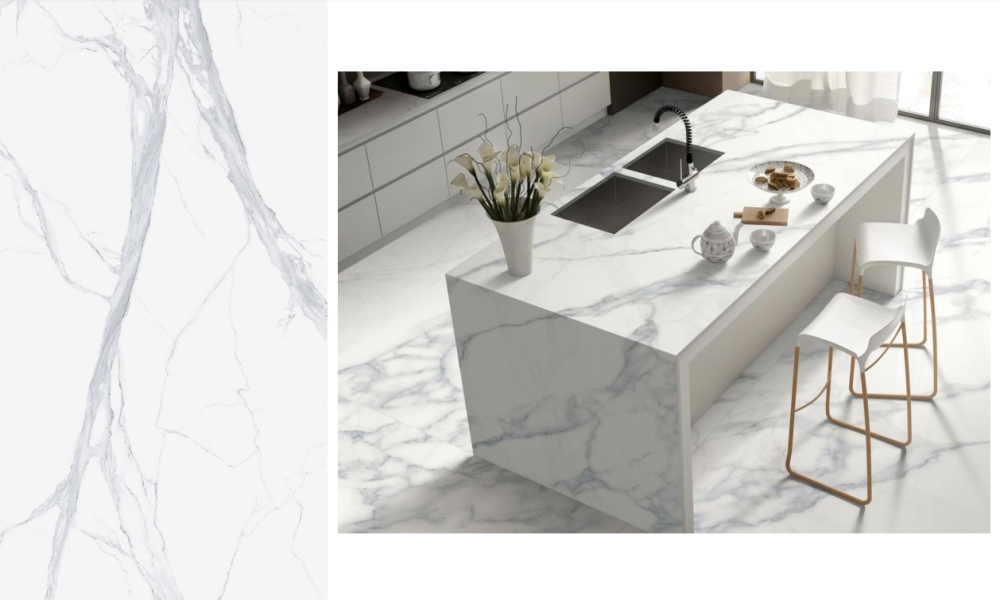
A marble-topped kitchen island is a showstopper. It turns a functional workspace into a focal point. Because islands are often a central gathering spot, a marble surface makes a statement about the heart of your home. You can use a waterfall edge—where the marble slab flows vertically down the sides of the island—to create an even more dramatic and modern look.

Wall Cladding & Accents

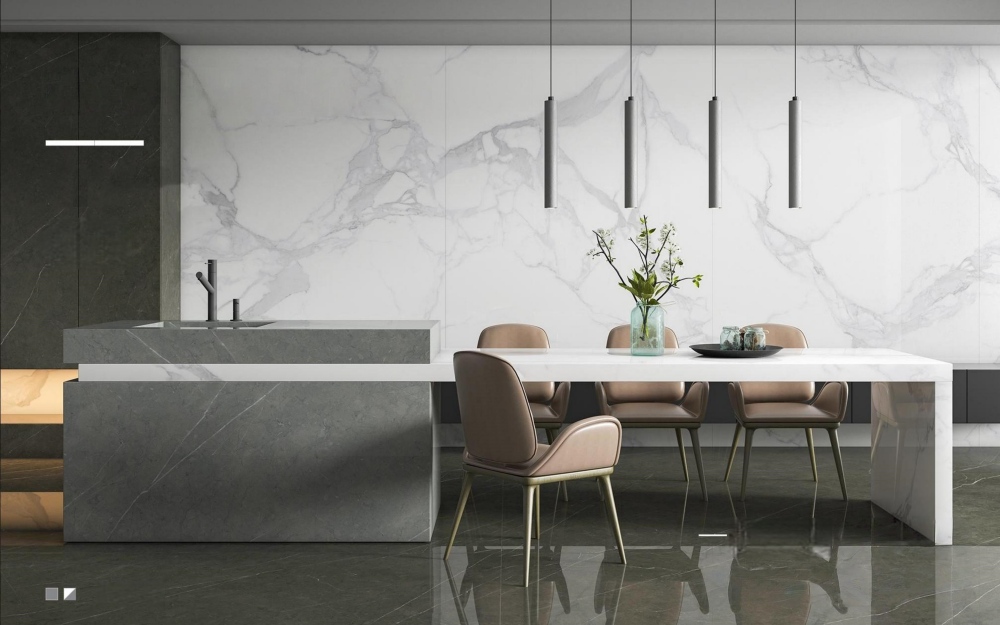
For those who want to go beyond traditional applications, marble wall cladding is an impressive choice. A full marble wall behind the stove or sink adds architectural drama and makes the kitchen feel custom-designed. Smaller accents, like marble shelving or trim, can also introduce the material without overwhelming the space. These touches work especially well in modern kitchens that aim for sleek, cohesive lines.

Dining Tables & Furniture

Why stop at the kitchen itself? Marble dining tables, sideboards, and even bar stools can tie the whole look together. A round marble table is perfect for cozy breakfasts, while a long rectangular one makes a statement in a formal dining area.

Is Artificial Stone Durable and Long-Lasting?

In today’s construction and interior design world, durability is just as important as beauty. When clients and contractors consider surface materials for kitchens, hotels, or commercial spaces, one question often arises: Is artificial stone durable and long-lasting?


The answer is a clear yes. Artificial stone, also known as engineered stone, is manufactured with a blend of natural quartz or marble powder, premium resins, and pigments. This engineered composition gives it exceptional hardness and resistance to scratches, stains, and moisture—qualities that make it even more reliable than many natural stones.


Unlike natural marble, which may require frequent sealing, artificial stone offers low-maintenance performance without sacrificing elegance. It is strong enough to withstand heavy daily use in kitchen countertops, hotel receptions, shopping malls, and high-traffic flooring applications. In fact, artificial stone has become a preferred material for projects where both style and durability are non-negotiable.
 

At Aoli Stone

, we produce a wide range of artificial marble, quartz stone, sintered stone, and other engineered slabs that deliver long-term value for global partners. Our products are designed not only to last but also to enhance spaces with timeless beauty and consistent quality.
 

The long lifespan of artificial stone makes it a cost-effective investment. By choosing it, architects and developers reduce maintenance expenses while ensuring projects maintain their original elegance for years. This is why more and more international clients are turning to artificial stone as their first choice.


If you are seeking a material that combines durability, luxury, and modern innovation, explore our full collection at www.aolistone.com

. With Aoli Stone, you gain a trusted partner dedicated to delivering surfaces that are built to last.

The Rise of Silica-Free Quartz A Safer, Sustainable Choice for Modern Interiors

The Rise of Silica-Free Quartz: A Safer, Sustainable Choice for Modern Interiors

In recent years, there has been a growing demand for safer and more sustainable materials in the construction and interior design industries. Among these innovations, silica-free quartz surfaces have emerged as a revolutionary product, offering a healthier and environmentally friendly alternative to traditional quartz surfaces. In this blog, we’ll explore what silica-free quartz is, its benefits, and why it’s becoming a popular choice for homeowners, designers, and builders alike.


Silica-Free Quartz Countertops


What is Silica-Free Quartz?

Silica-free quartz is an engineered stone product that does not contain crystalline silica, a component found in traditional quartz surfaces. Crystalline silica, while contributing to the durability and strength of quartz, poses significant health risks when inhaled as dust, which can occur during cutting, grinding, or polishing. Prolonged exposure to silica dust can lead to serious respiratory issues, including silicosis, a debilitating lung disease.

Silica-free quartz is designed to eliminate these risks by using alternative materials that provide the same durability, aesthetic appeal, and versatility without the health hazards associated with silica dust.

Benefits of Silica-Free Quartz

  1. Health and Safety

    The primary advantage of silica-free quartz is the significant reduction in health risks. Without crystalline silica, this material ensures safer working conditions for fabricators, installers, and anyone involved in the handling of the stone. Additionally, homeowners benefit from knowing that their surfaces are free from harmful components, making it a healthier choice for indoor environments.

  2. Sustainability and Environmental Impact

    Silica-free quartz is often produced with a strong focus on sustainability. The manufacturing process typically involves the use of recycled materials and eco-friendly practices, reducing the environmental footprint. This aligns with the growing trend toward sustainable building materials, making silica-free quartz an excellent option for green building projects and eco-conscious consumers.

  3. Durability and Aesthetic Versatility

    Despite the absence of crystalline silica, silica-free quartz surfaces retain the durability and resilience that quartz is known for. They are resistant to scratches, stains, and heat, making them ideal for high-use areas such as kitchen countertops and bathroom vanities. Additionally, silica-free quartz is available in a wide range of colors, patterns, and finishes, allowing for endless design possibilities that suit any style.

  4. Low Maintenance

    Like traditional quartz, silica-free quartz surfaces are non-porous, which means they do not require sealing and are highly resistant to bacteria and mold growth. This makes them easy to clean and maintain, providing long-lasting beauty with minimal effort.


Benefits of Silica-Free Quartz


Applications of Silica-Free Quartz

Silica-free quartz can be used in a variety of residential and commercial applications, including:

  • Kitchen Countertops: Providing a safe, durable, and stylish surface for one of the most used spaces in the home.
  • Bathroom Vanities: Offering a sleek and hygienic option for bathrooms.
  • Commercial Interiors: Ideal for restaurants, hotels, and retail spaces where aesthetics, durability, and safety are paramount.
  • Outdoor Kitchens: Durable and weather-resistant, making it a great choice for outdoor environments.


Safe Engineered Stone Surfaces


Why Choose Silica-Free Quartz?

As awareness of the health risks associated with crystalline silica grows, so does the demand for safer alternatives. Silica-free quartz is not just a trend; it’s a response to the need for materials that prioritize health, safety, and sustainability. For those looking to create beautiful, functional, and environmentally responsible spaces, silica-free quartz offers a compelling solution.

Whether you’re a homeowner planning a kitchen remodel, a designer looking for innovative materials, or a builder focused on sustainable construction practices, silica-free quartz is worth considering. It combines the best aspects of traditional quartz with the added benefits of health and environmental consciousness, paving the way for a safer and more sustainable future in design.